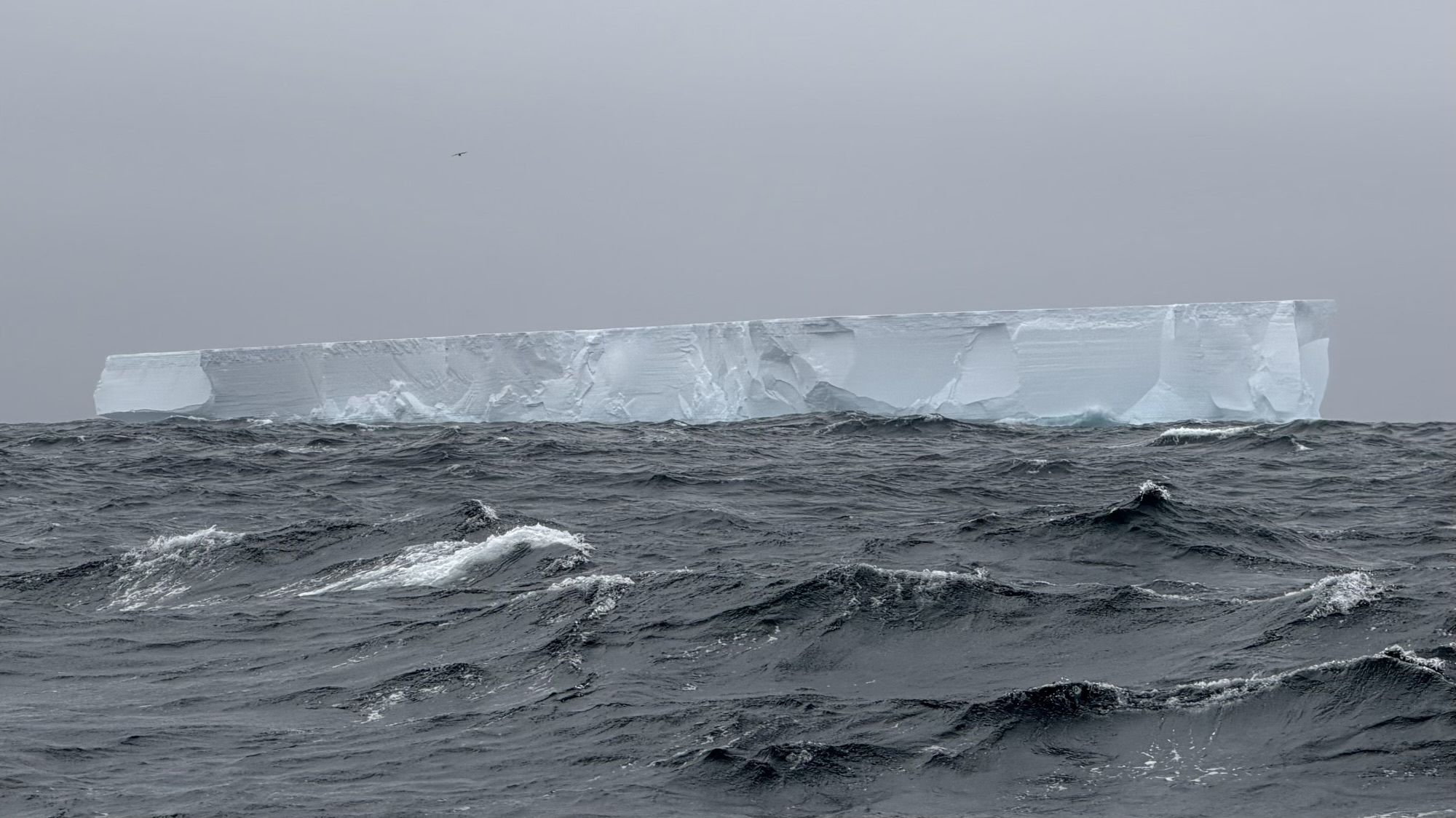
We’ve been at sea for six days now. Course approximately 100 degrees. South Georgia lies to our northeast, still about 80 nautical miles away. We’ve been sailing since the evening of the third day. The wind forced us to take a slightly more southerly course. Since the day before yesterday, we’ve been sailing within the Antarctic Convergence; it’s noticeably colder, the water is only 2 degrees warm, and it’s often foggy.
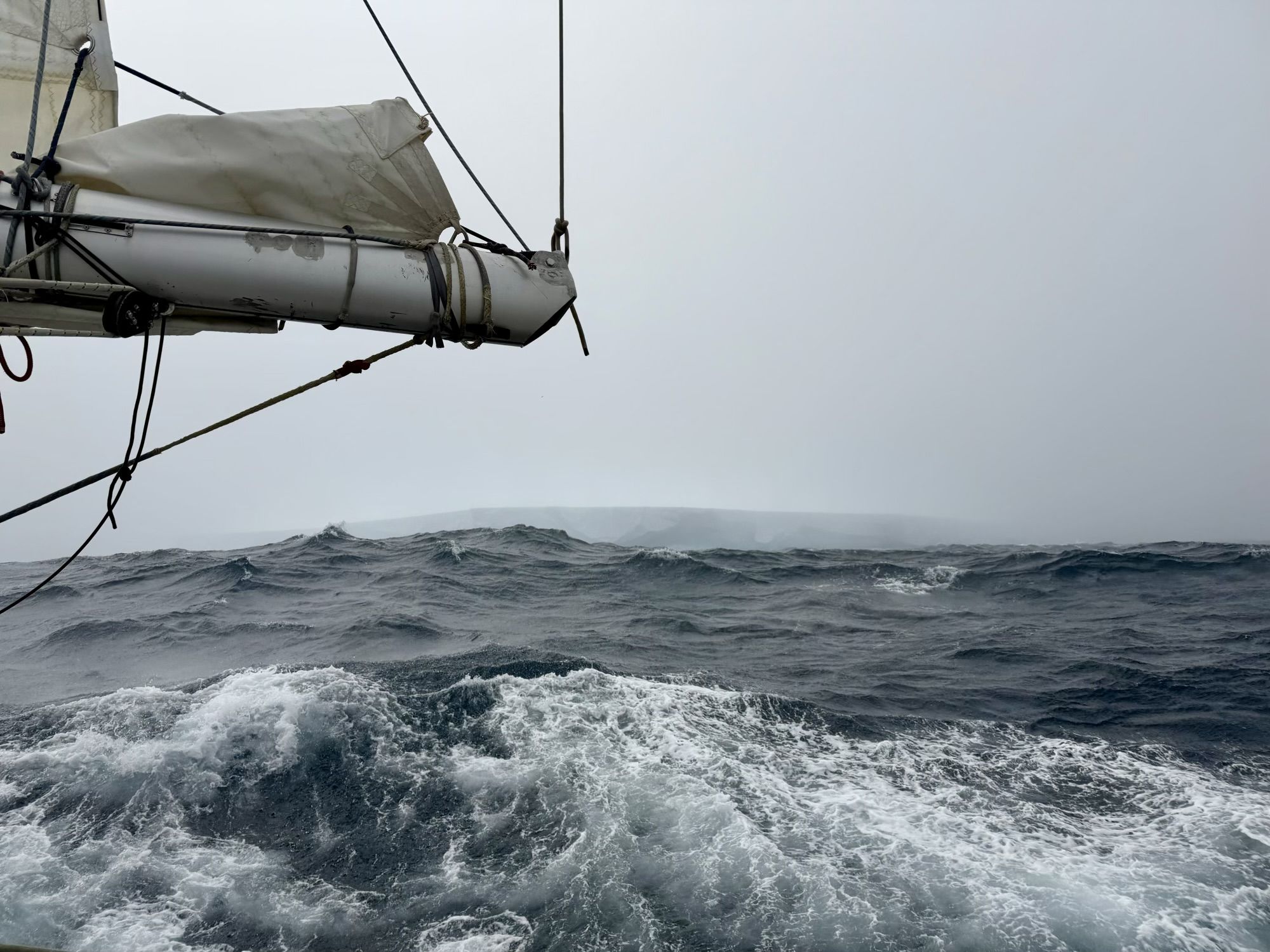
Yesterday we also came across the first icebergs, about 70 miles southwest of Shag Rocks—three rocky outcrops in the middle of the South Atlantic. From now on, we’ll have to keep our eyes peeled: for icebergs, but also for smaller “Bergy Bits” or “Growlers,” which float right at the surface and are therefore very hard to spot in the troughs of the waves.
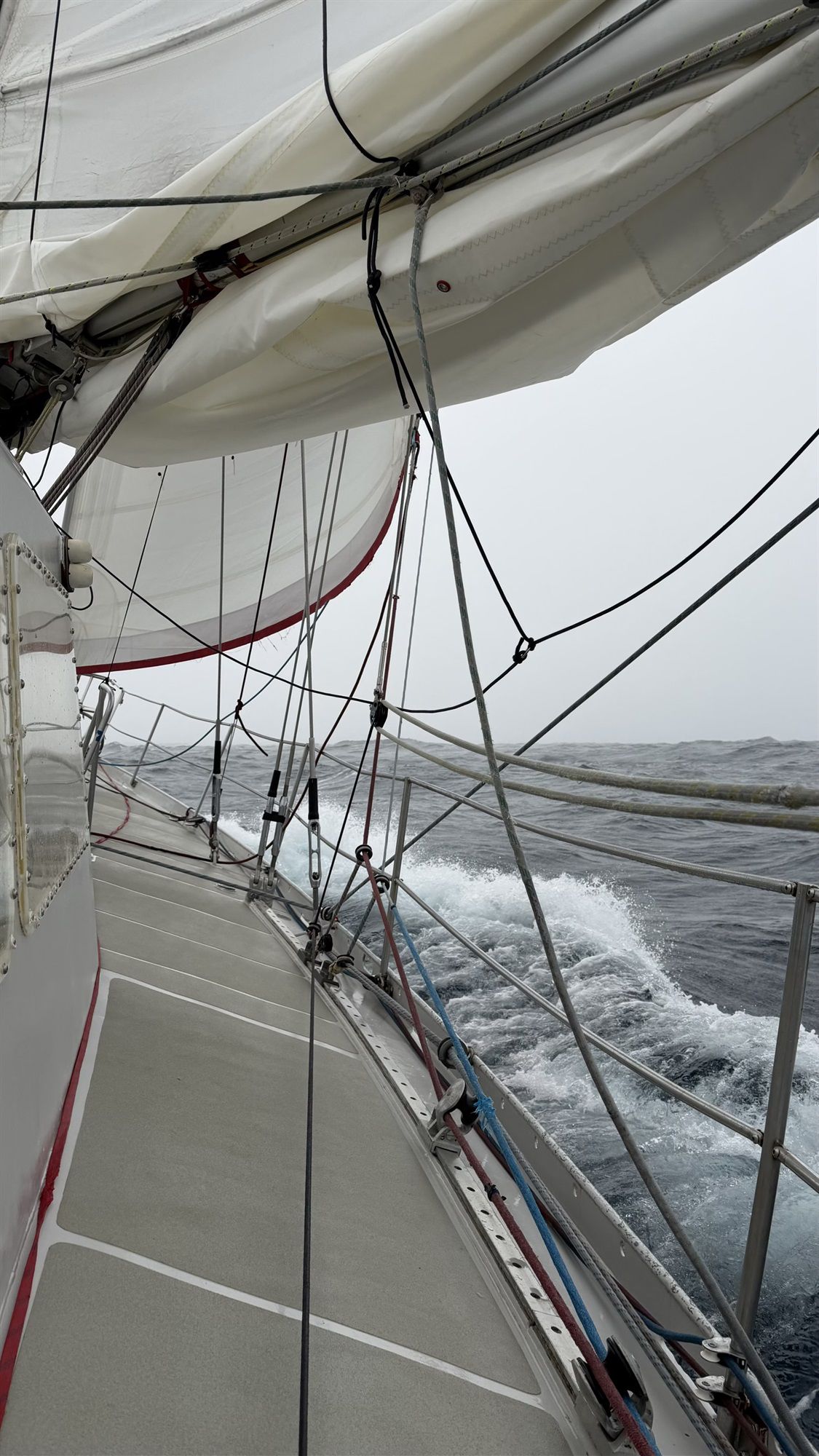
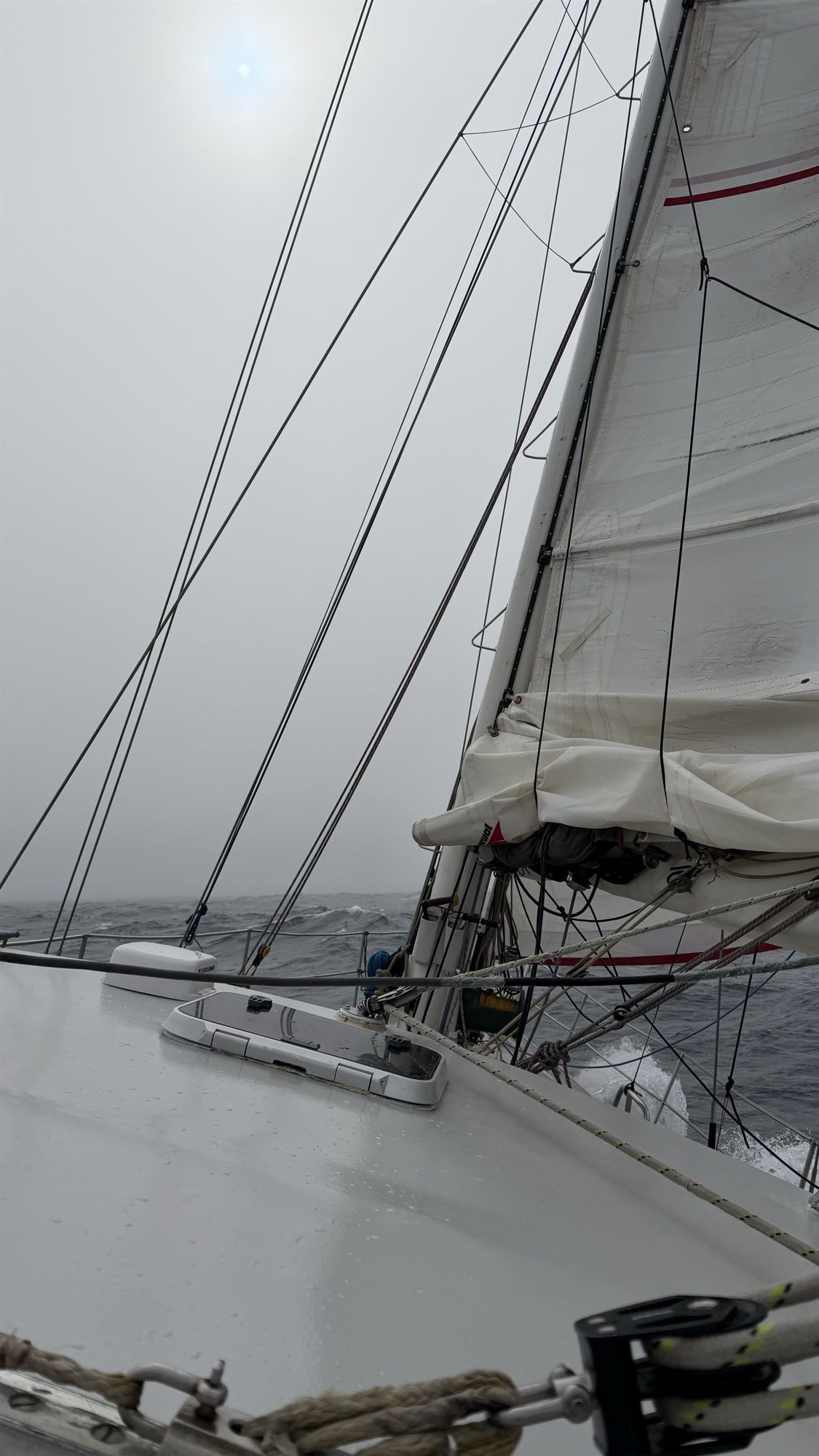
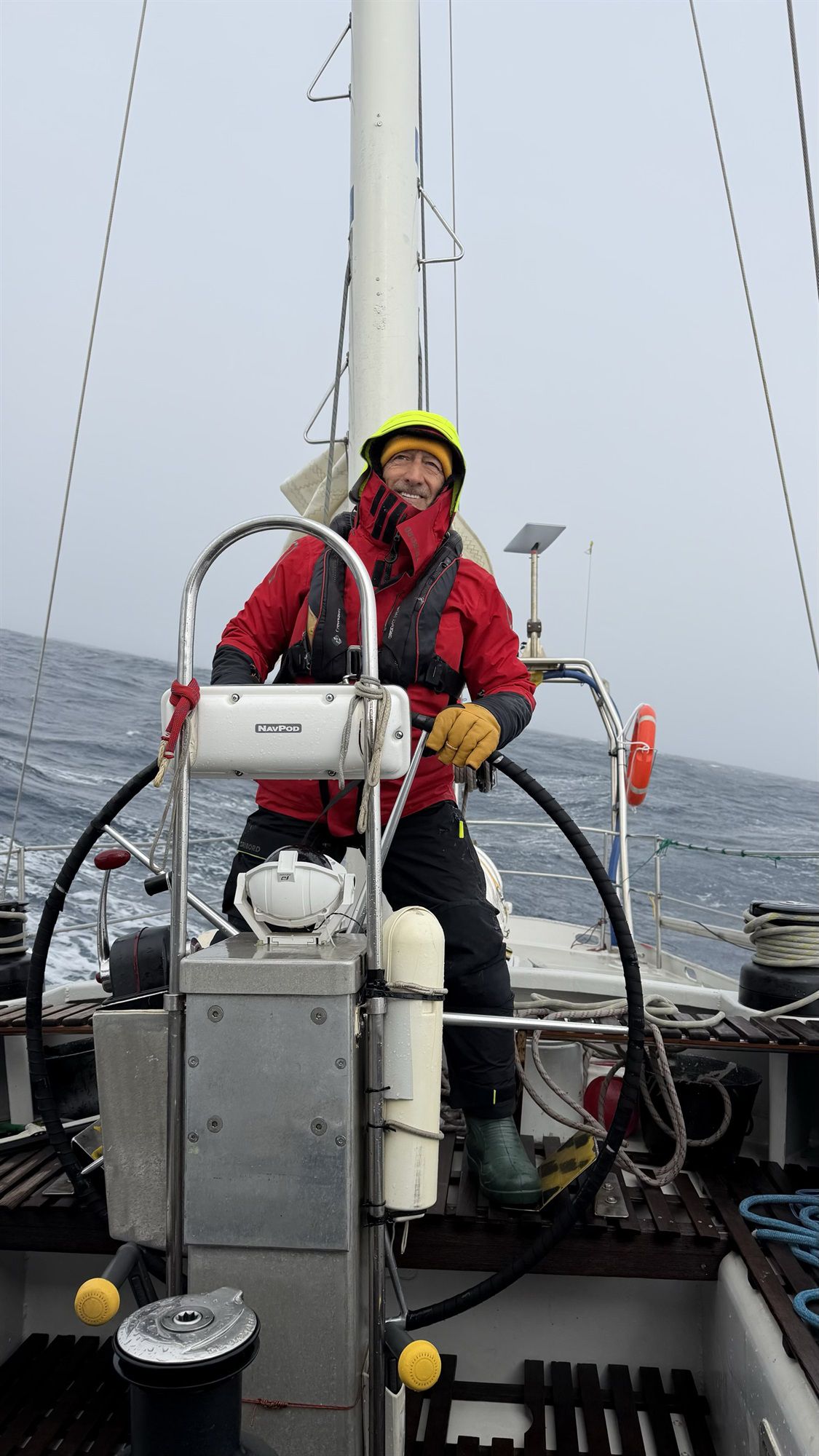
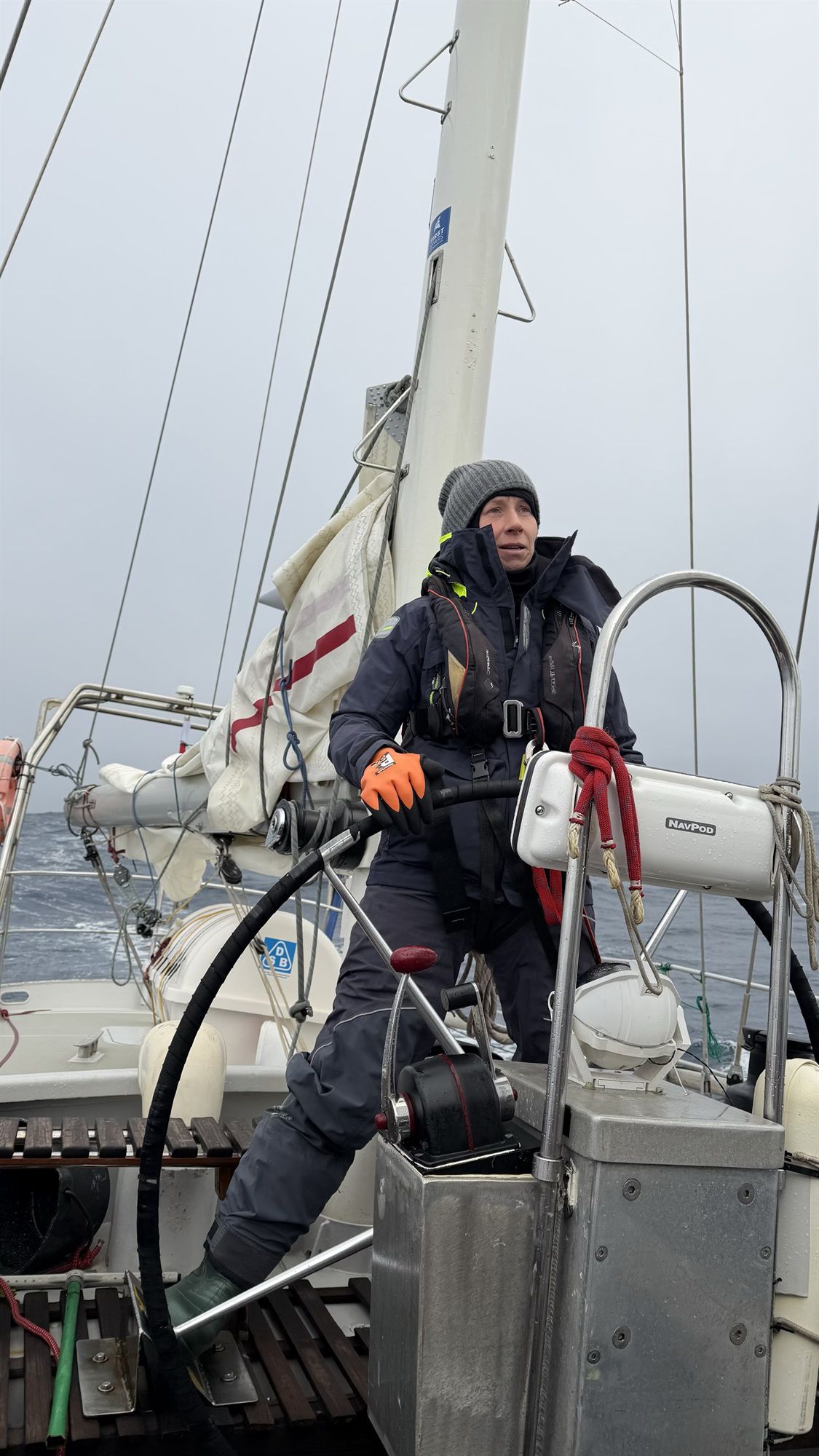
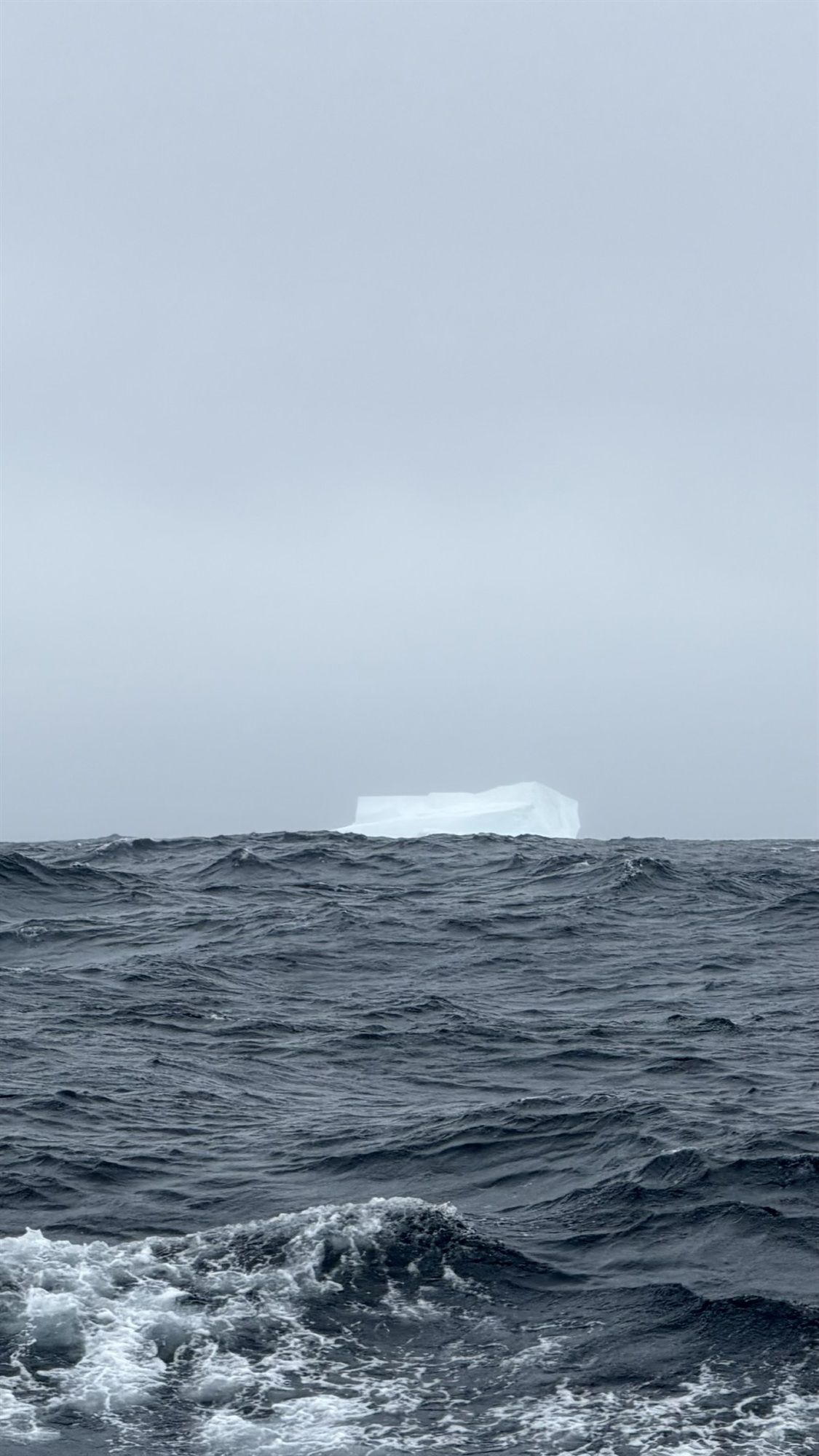
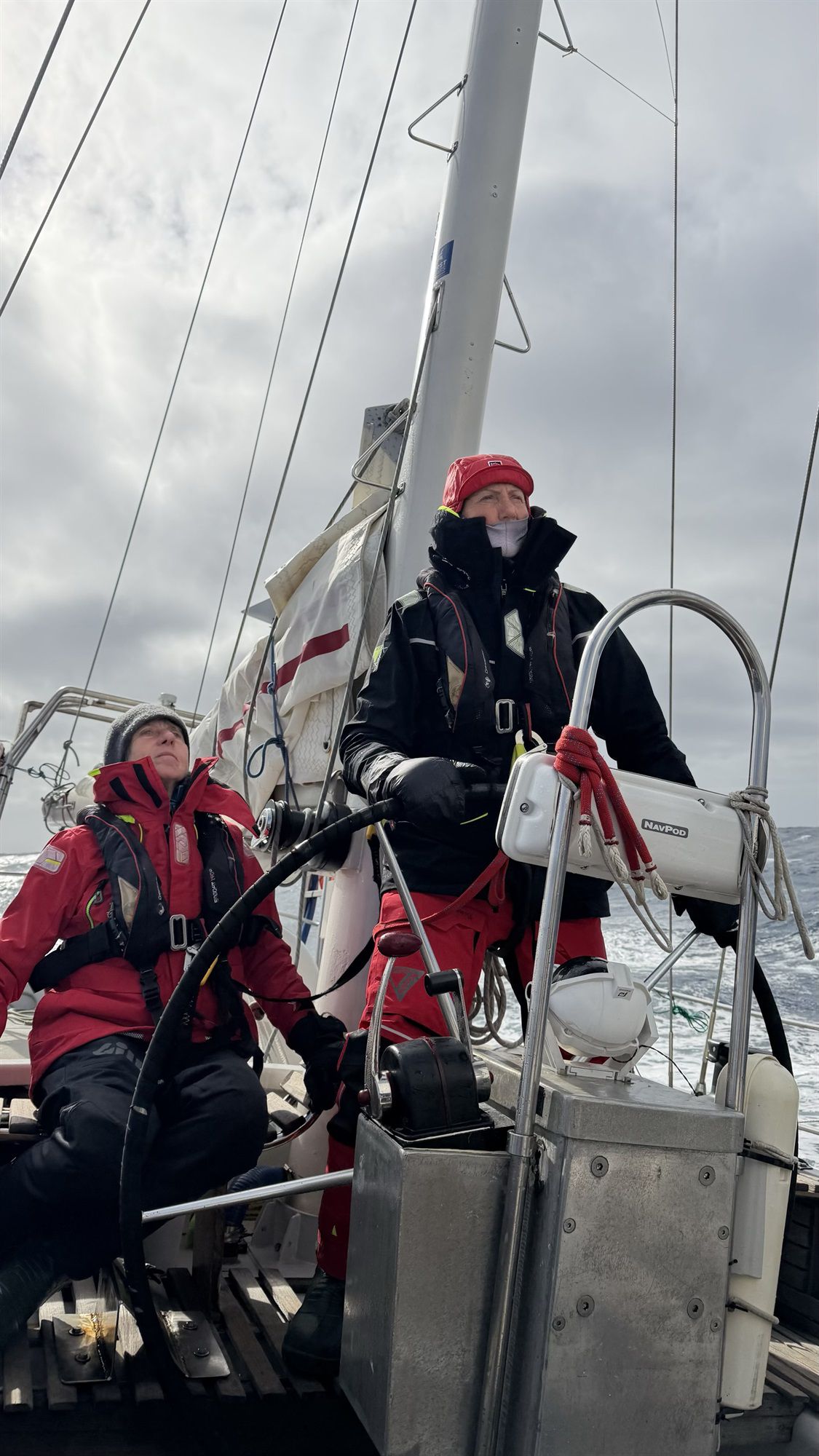
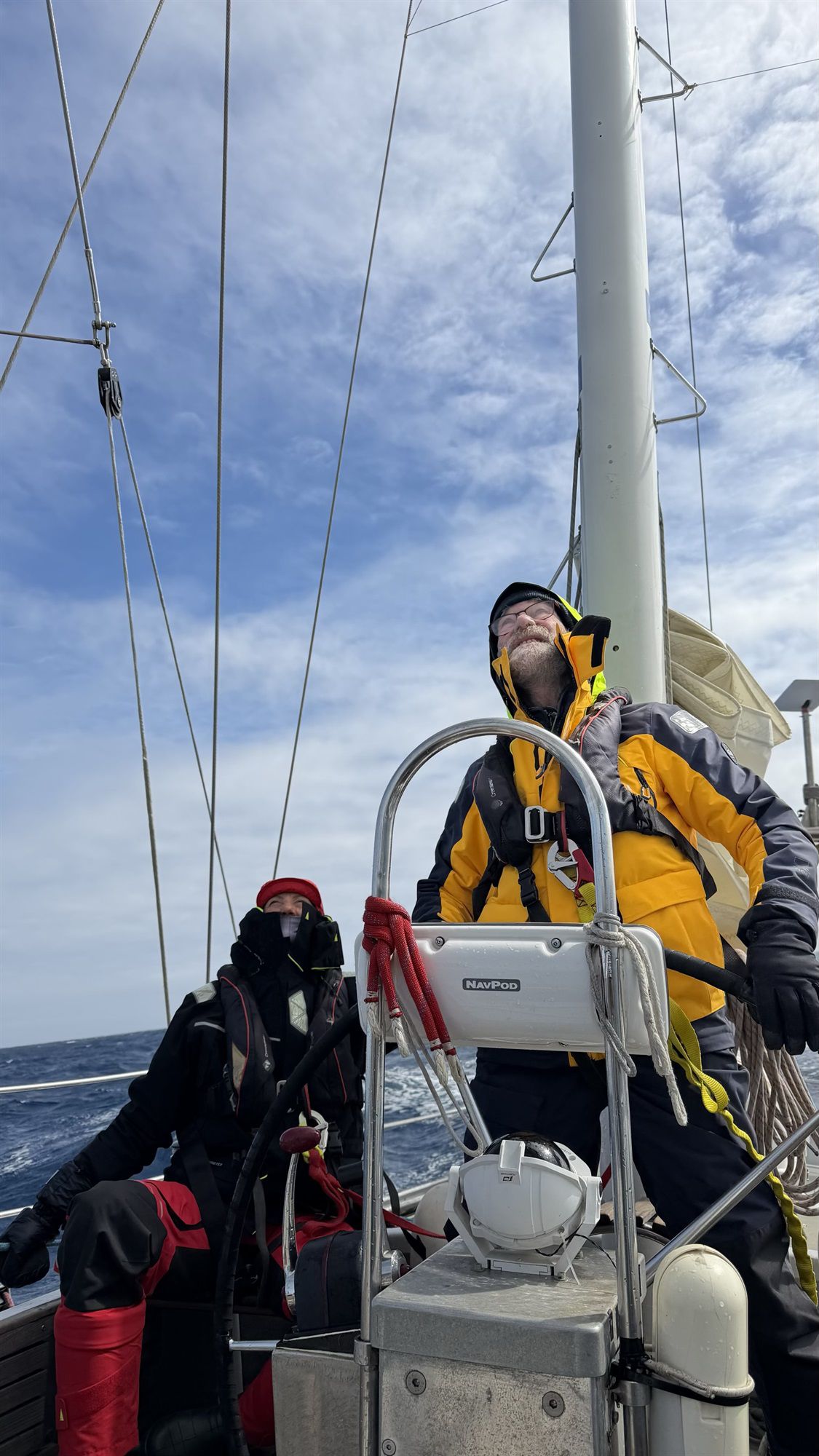
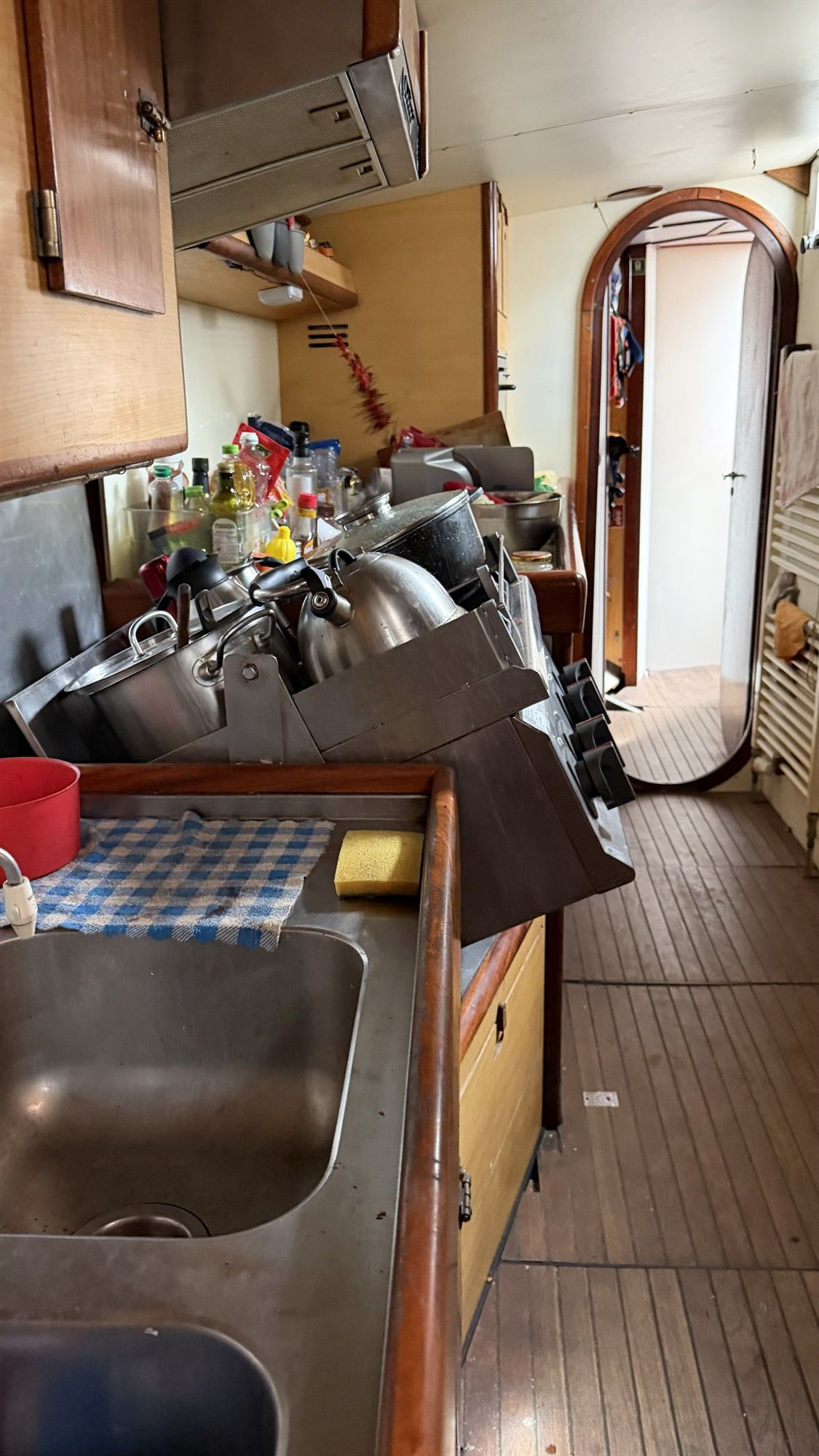
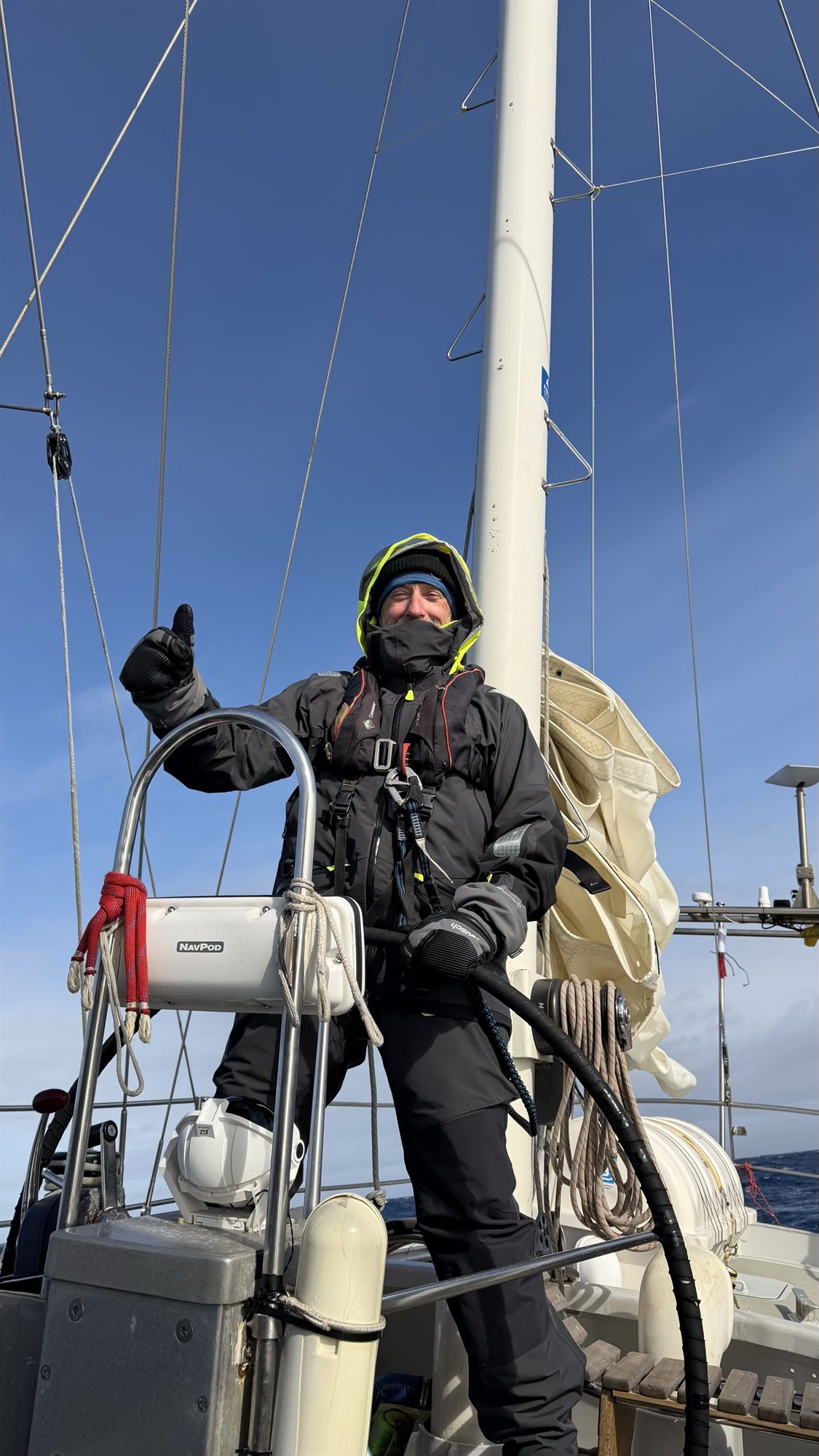
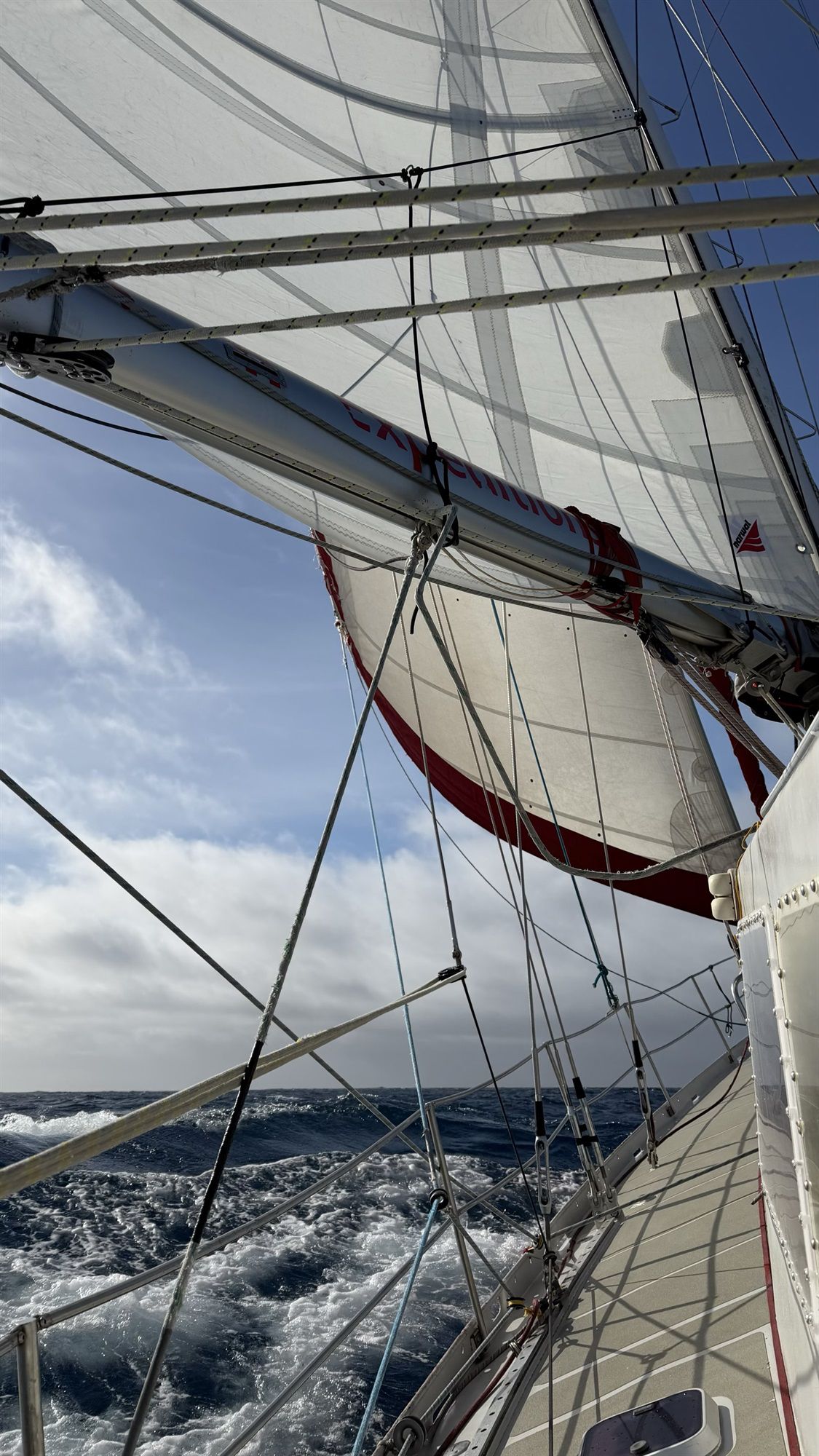
The wind over the last two days has been blowing between 20 and 40 knots, and we’ve been making good progress.
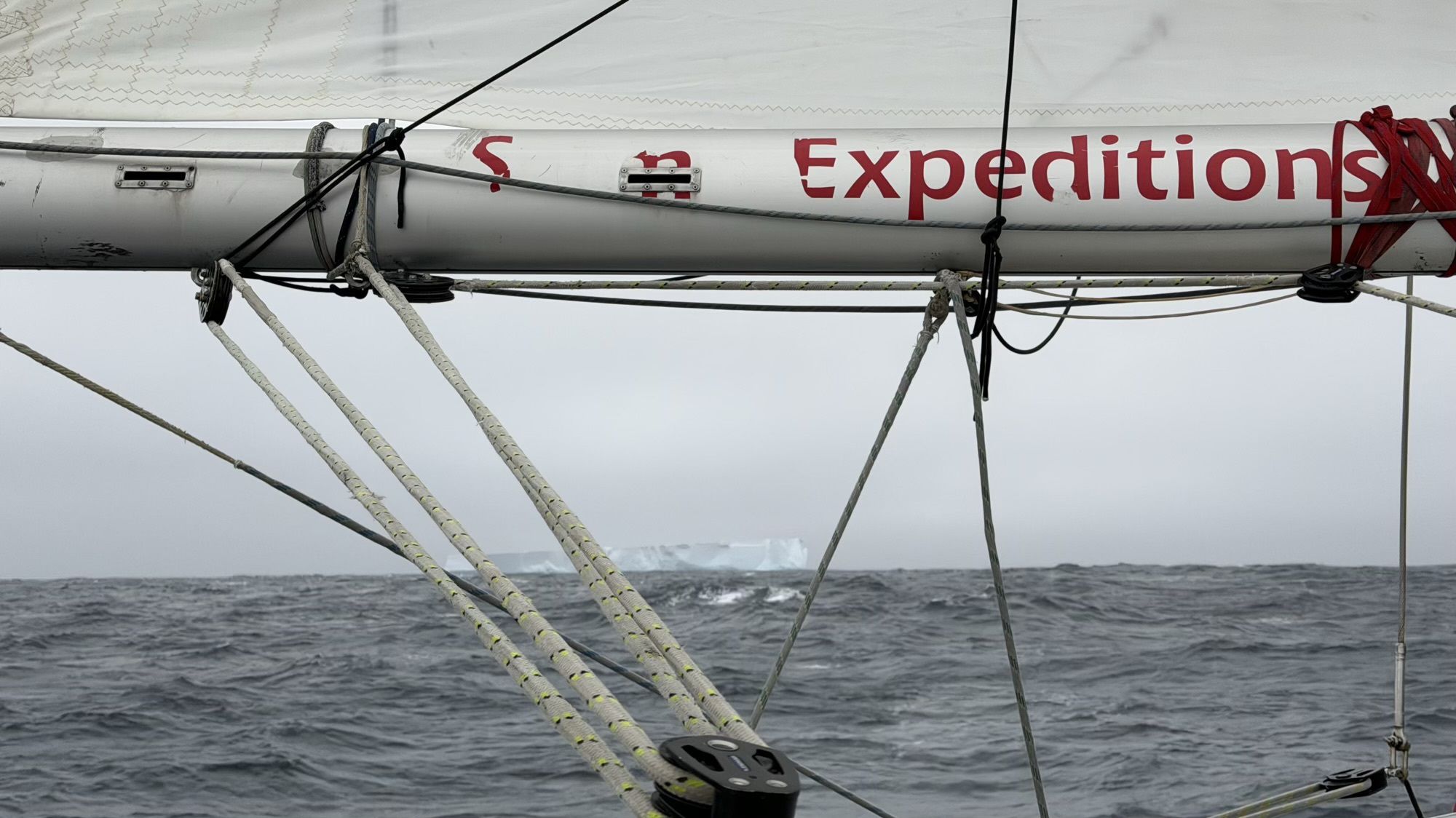
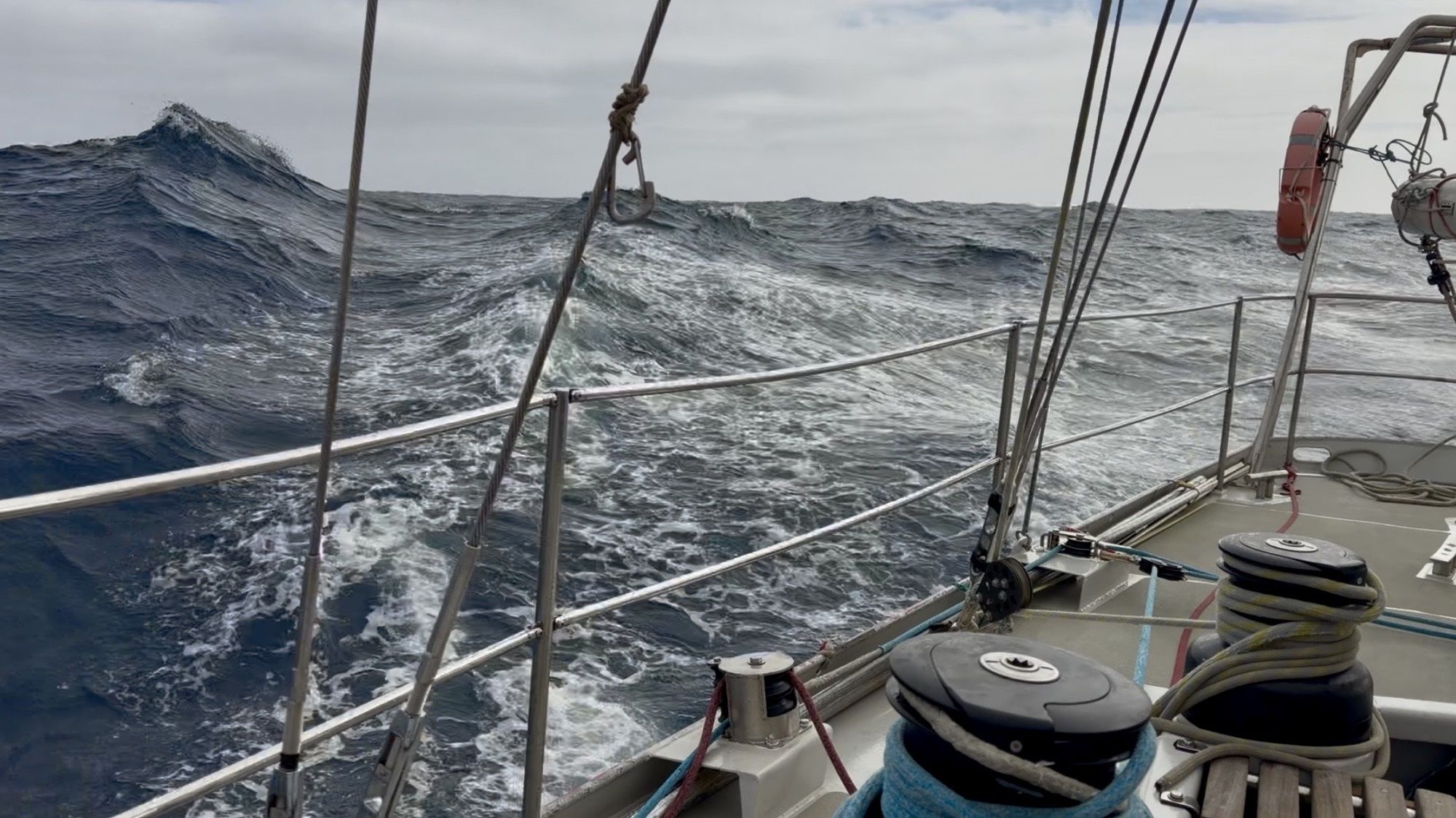
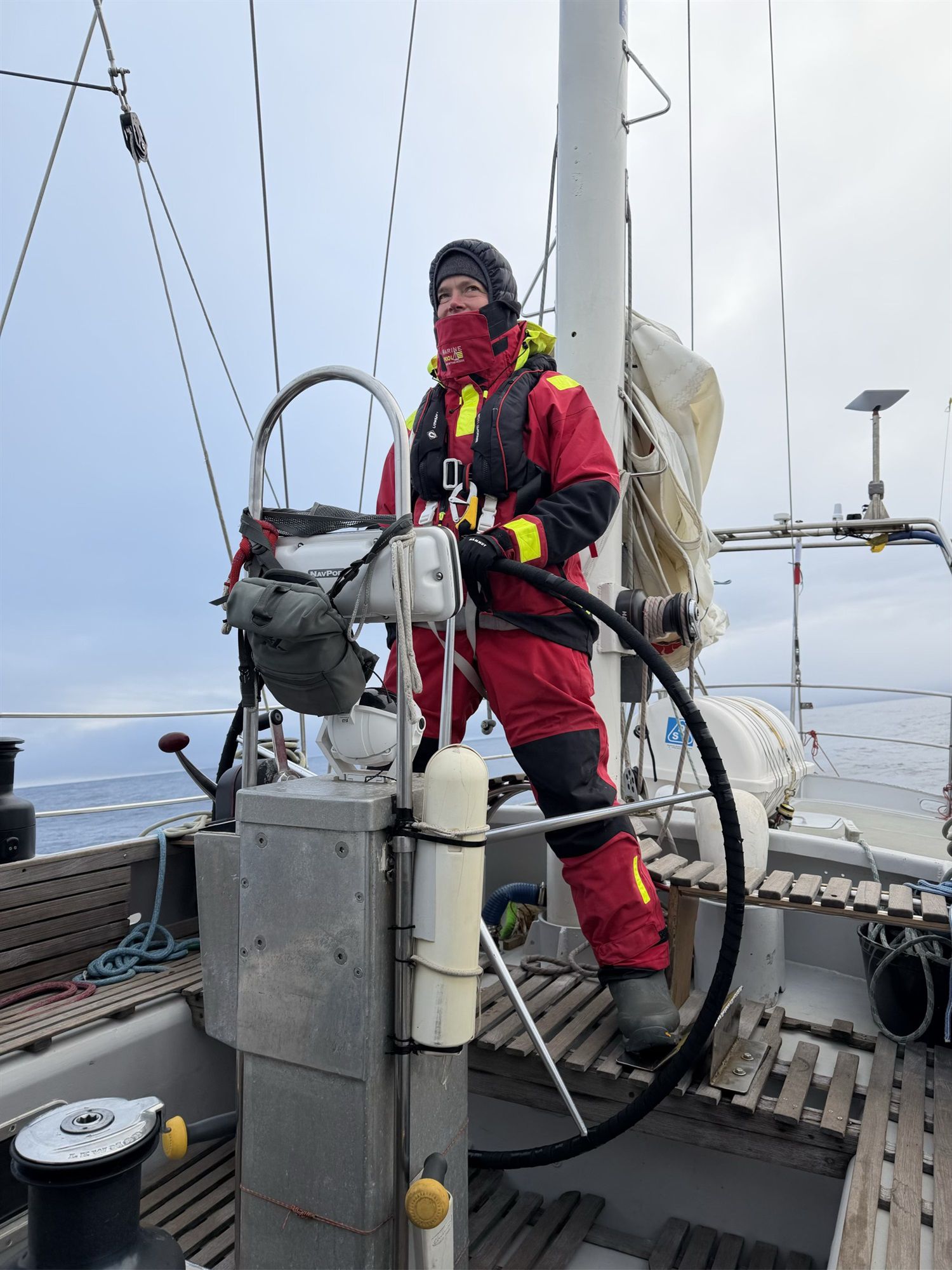
Last night we reduced speed and let the ship drift in the darkness to avoid colliding with a growler at high speed. Even so, with winds of 30–40 knots and correspondingly rough seas, we were still making between 2 and 4 knots over ground. The ice watch had to keep an eye out for icebergs every ten to fifteen minutes in the dark. It was very uncomfortable and cold in these conditions. To avoid having to constantly readjust our eyes to the darkness, all the lights on the boat are turned off, and the few instruments are set to red and completely dimmed. The white of the breaking wave crests was clearly visible against the blackness of the night; fortunately, there were no icebergs. We drifted about 20 miles south. This morning, as daylight broke around five, we set sail again and headed for South Georgia.
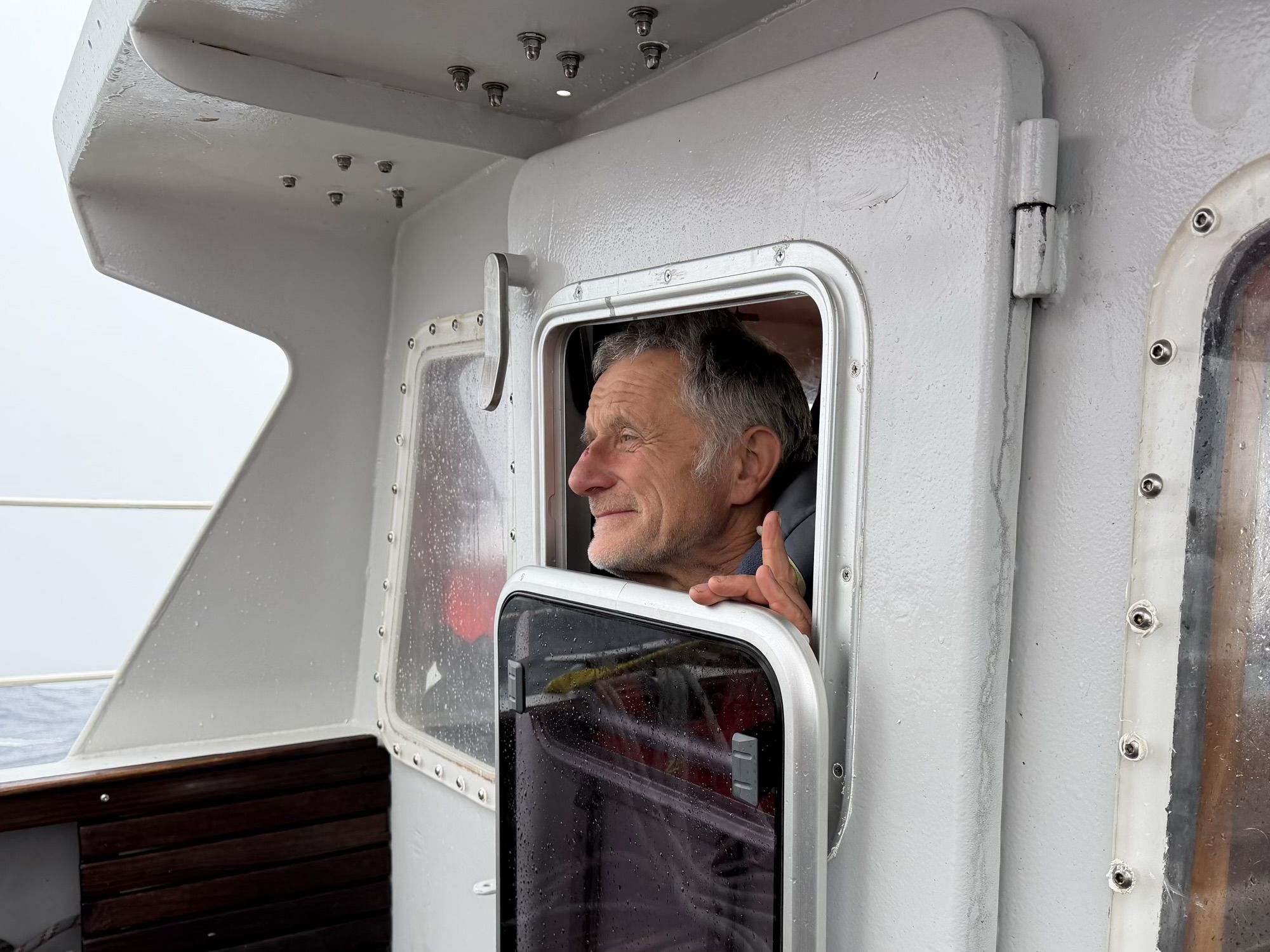
Over the past week, a certain routine has also settled in on board. The watch system is now in place. We’re slowly coming together as a team. Not everyone is fully operational yet, but most have gotten over their initial bout of seasickness. The mood on board is good.