History
Prince Olav Harbour is a small sheltered inlet within Cook Bay at the western entrance to Possession Bay. At its head lie the remains of an old whaling station.
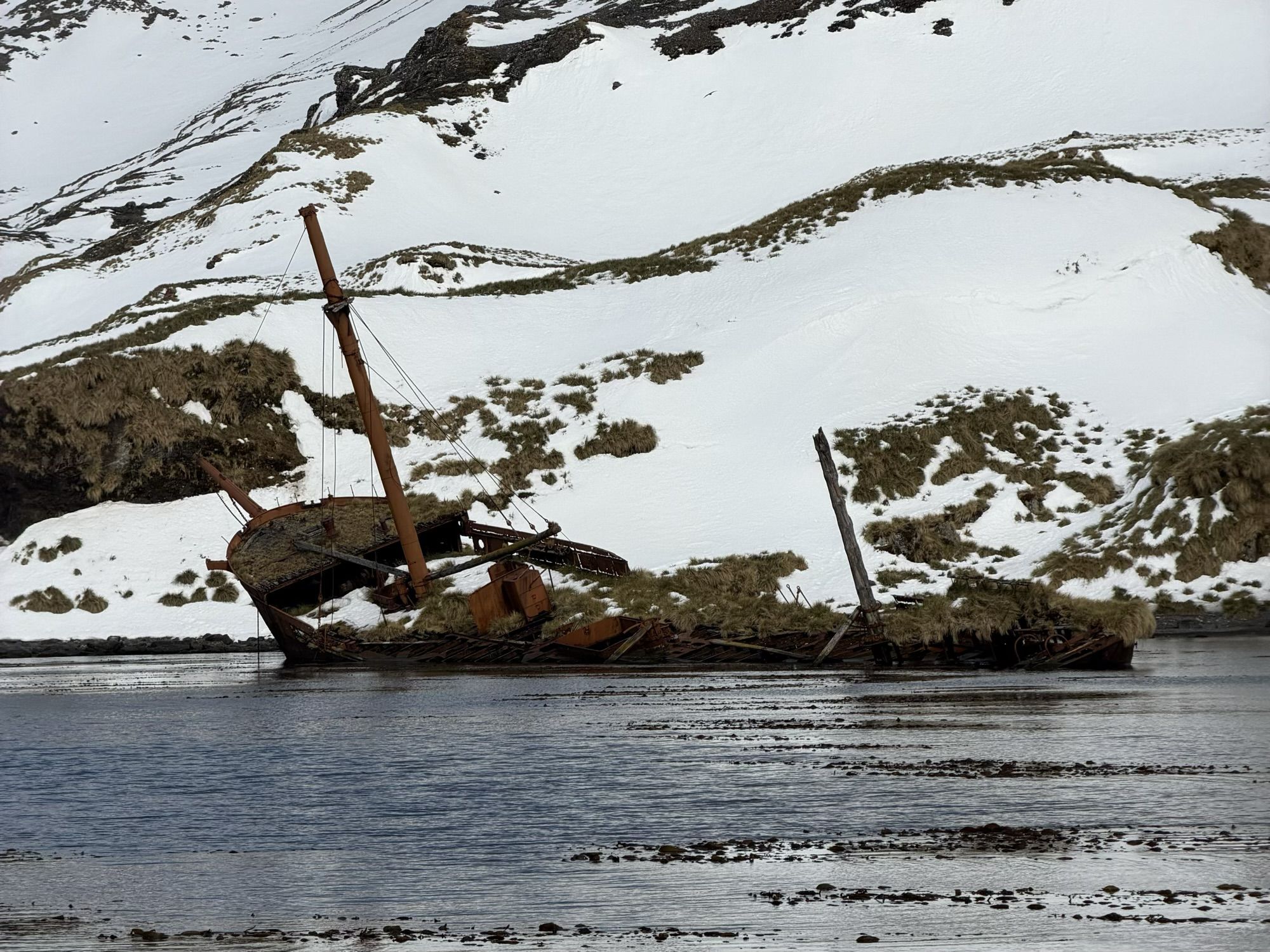
This is a site steeped in history from the early days of exploration. First explored by Captain James Cook, the harbour was well-known to sealers and 20th century whalers. Their legacy – a jumble of rusting orange-coloured buildings and derelict machinery in the whaling station, the hulk of the three-masted ship Brutus and the graves on the hillside above – all lend an indefinable atmosphere of mysterious abandon to the harbour.
When Captain James Cook landed in Possession Bay on 17th January 1775 and proclaimed the island for England, he may well have stepped ashore in Cook Bay, accompanied by the German naturalist Johann Reinhold Forster and his son Georg Forster. Although the precise location is unknown, the several firsthand accounts of the event describe a site very like Prince Olav Harbour. Georg and Johann Reinhold Forster documented the island’s bleak geography and wildlife.
Within 10 years of Cook’s account being published, American and British sealers were harvesting the island’s elephant seals, fur seals and king penguins. The specific area became known as Crow-Harbour or Rat Harbour. It was the centre of fur sealing operations.
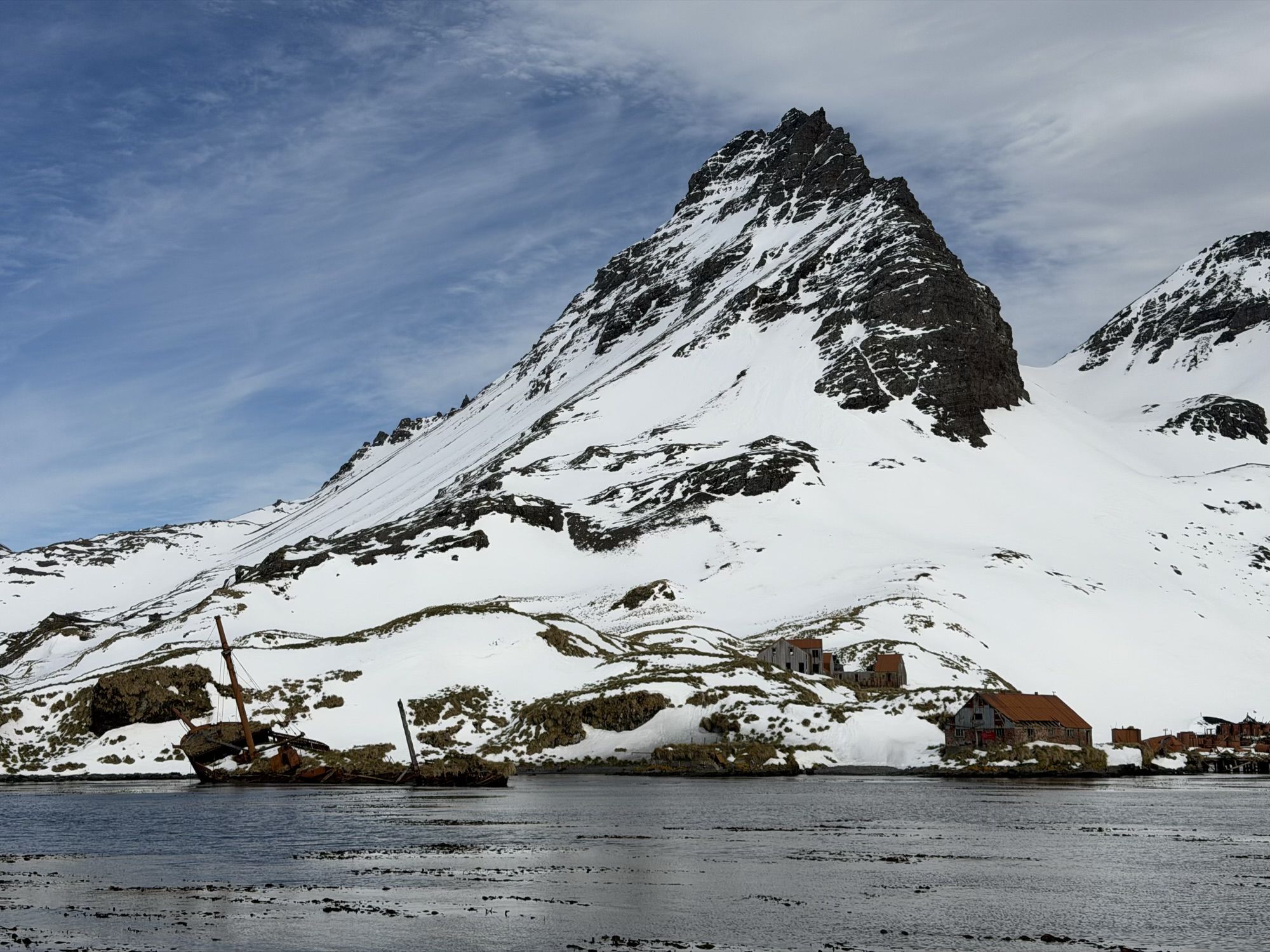
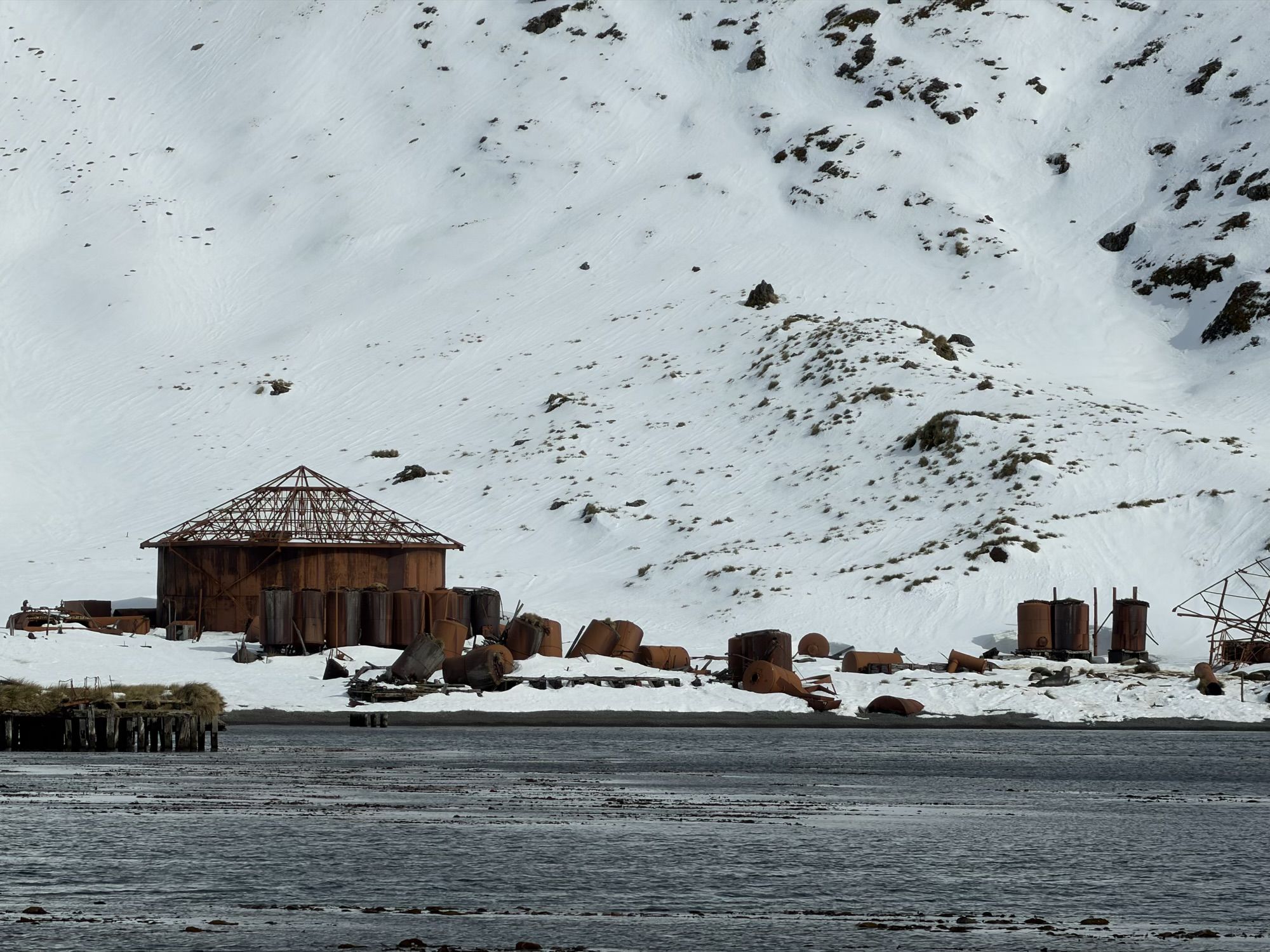
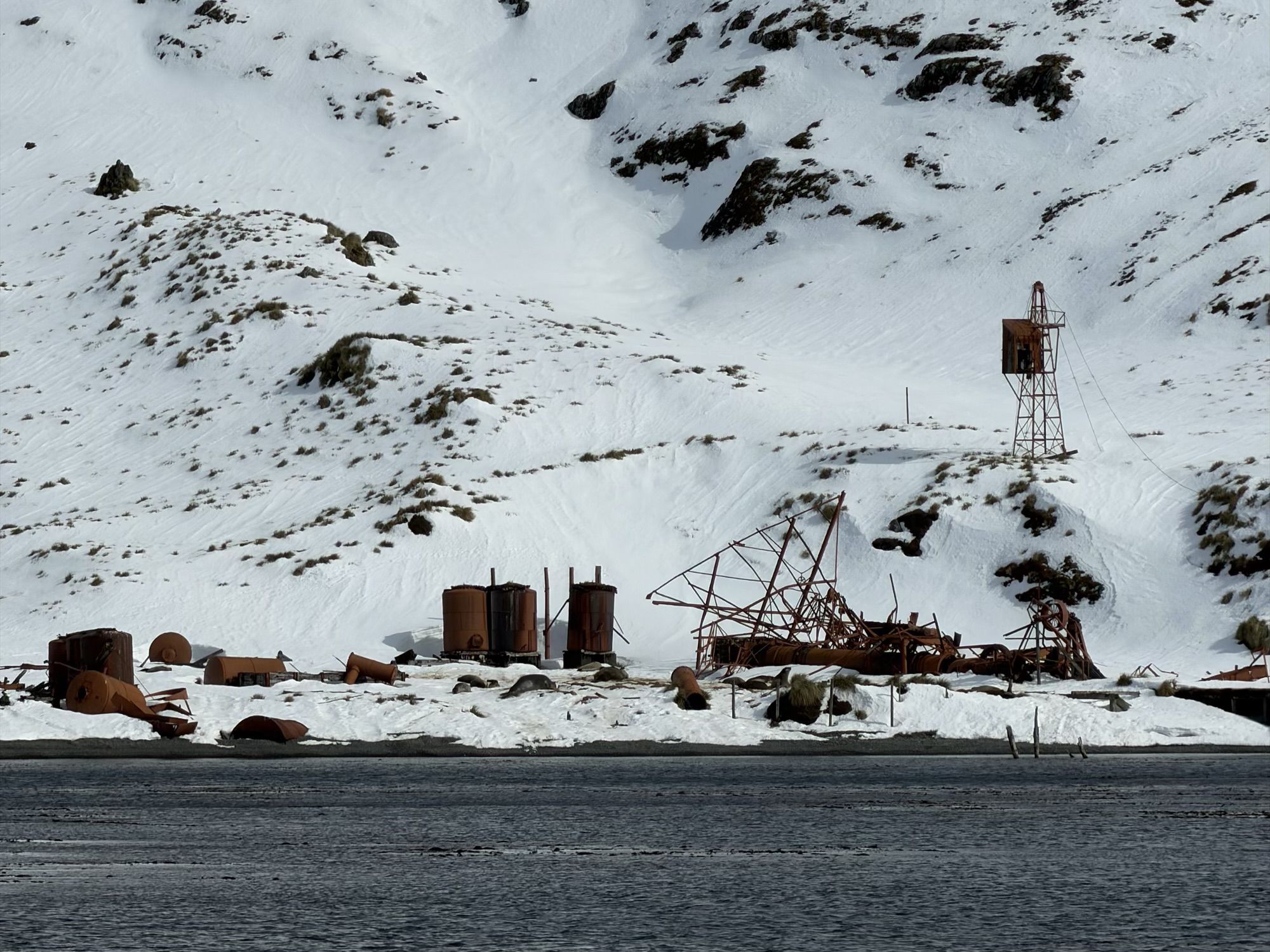
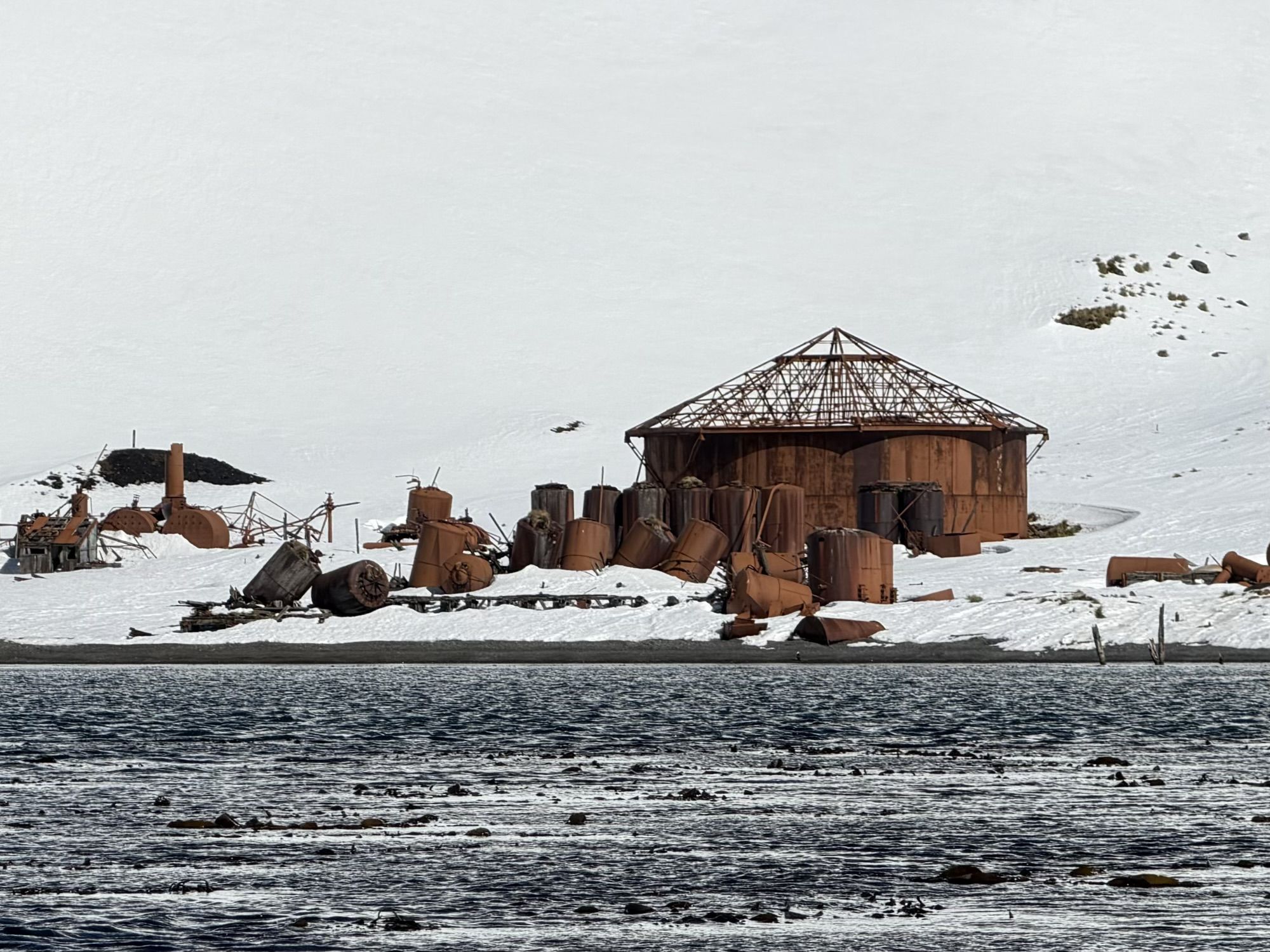
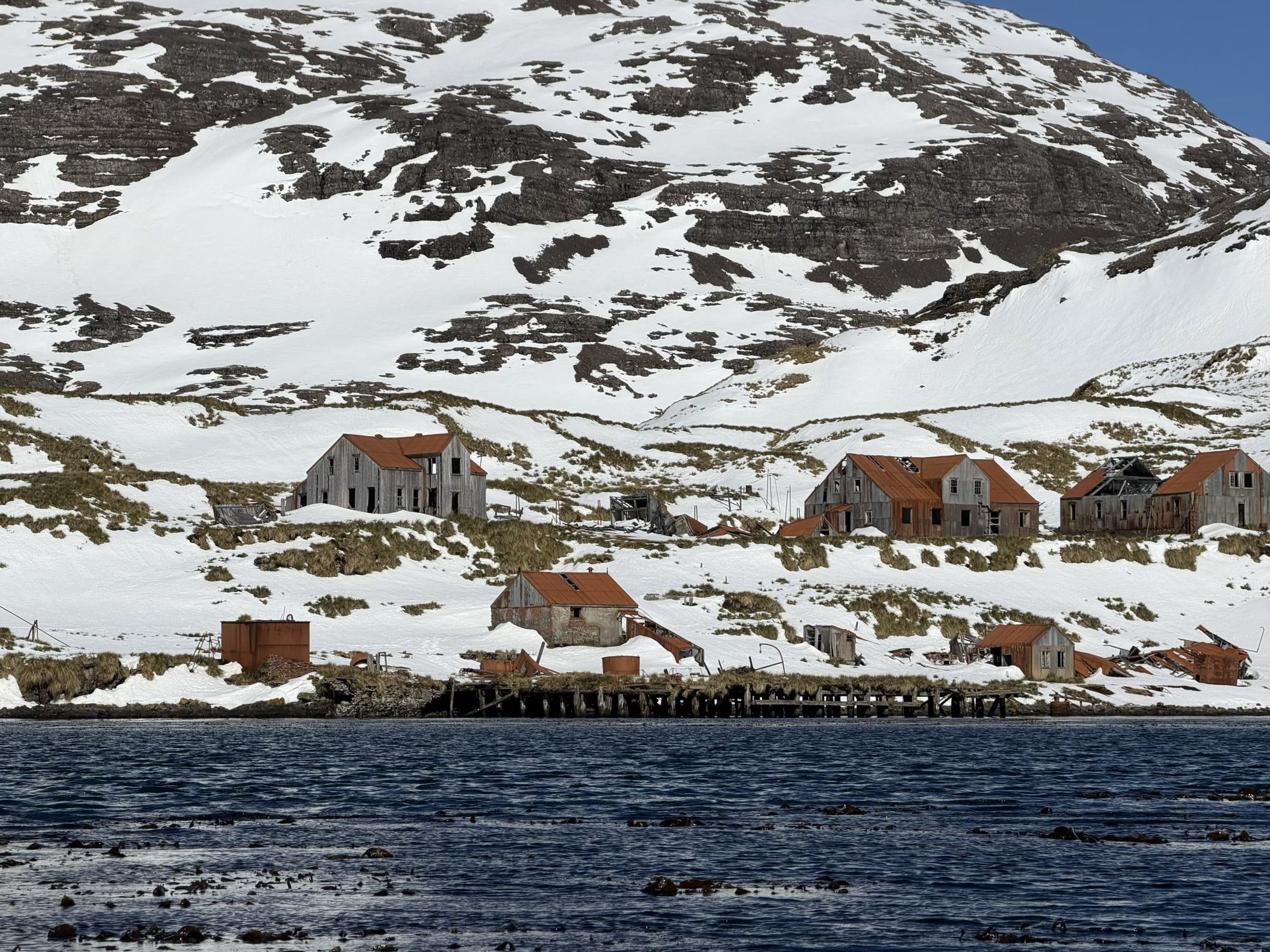
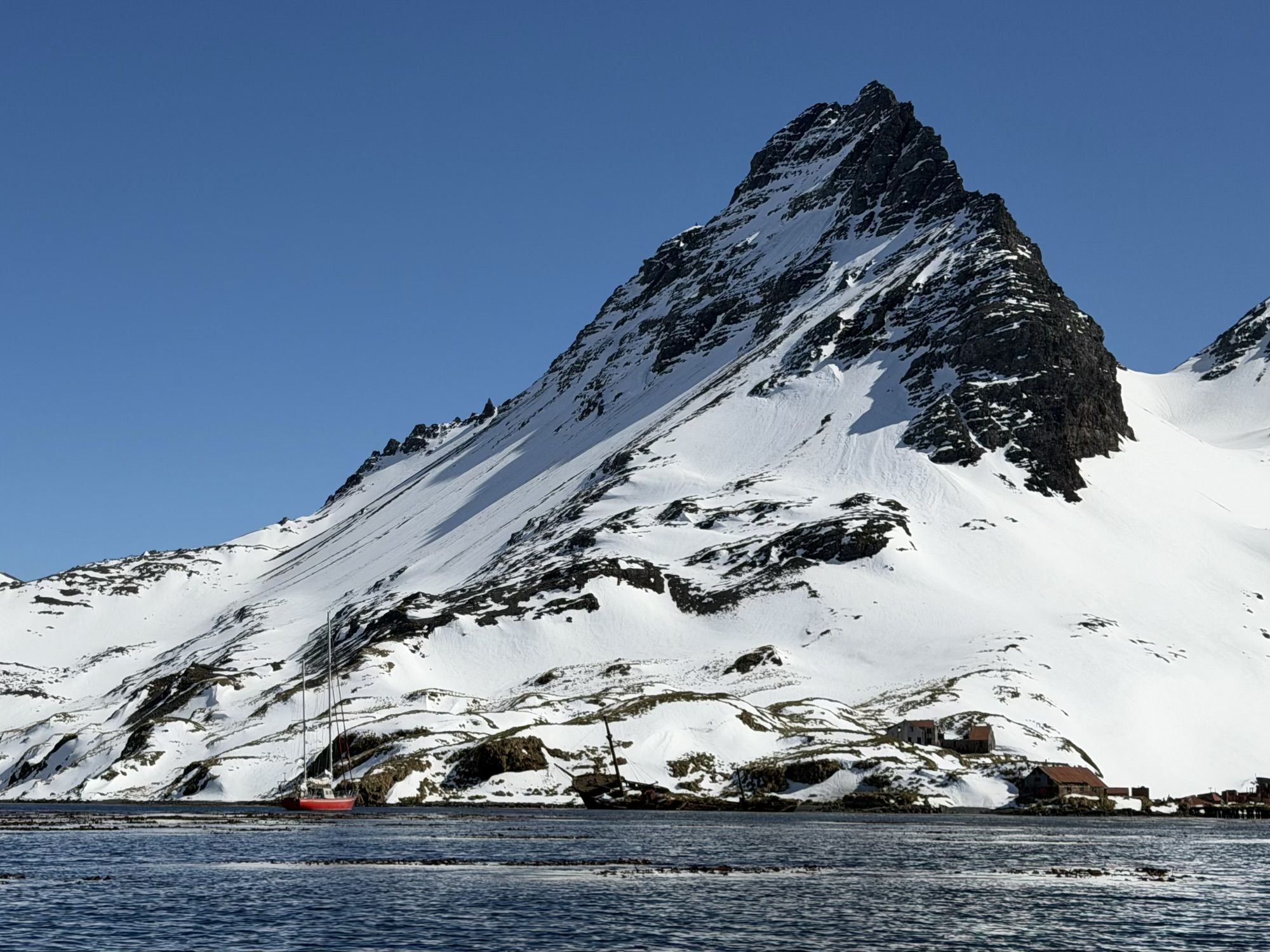
With the demise of sealing, the harbour lay empty until the arrival of the Norwegian whalers in the early 1900s. By them it was renamed Prince Olav Harbour. They established a shore-based whaling and floating factory station here operating from 1911 to 1931. In 1992, the site, like all other – now closed – whaling stations, was reverted to the South Georgia Government.
The ship wreck beached near Pig Point is the Brutus. She was built in Glasgow, arrived at Prince Olav under tow by four whale catchers from Cape Town and was used as a coaling hulk.
Landfall
This is one of the few sites at South Georgia where, remarkably, there is not a penguin colony in sight! Instead, kelp gulls rule the roost, their plaintive calls echoing round the bay as they seek out limpets along the intertidal zone or warn intruders away from their nests.
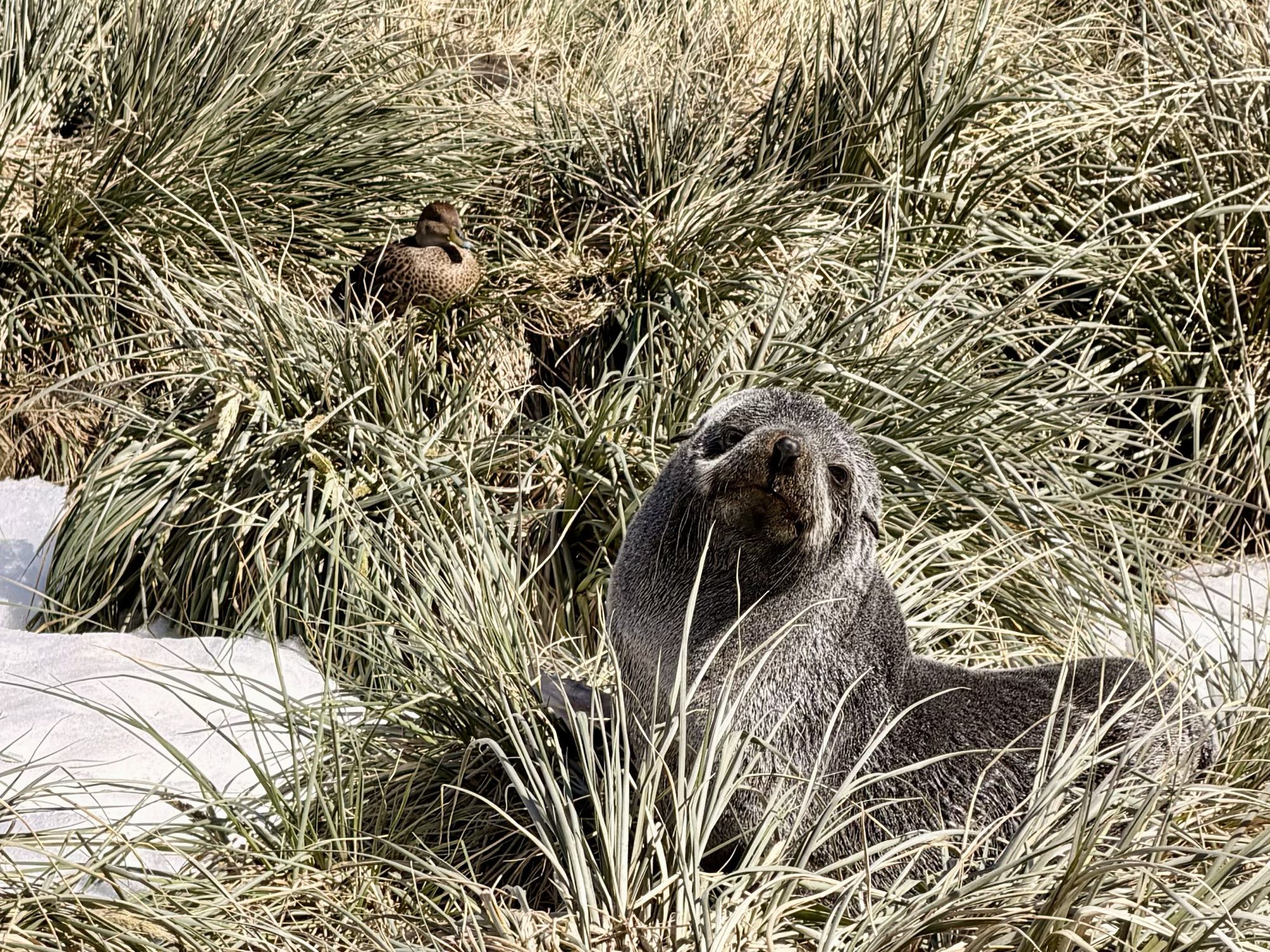
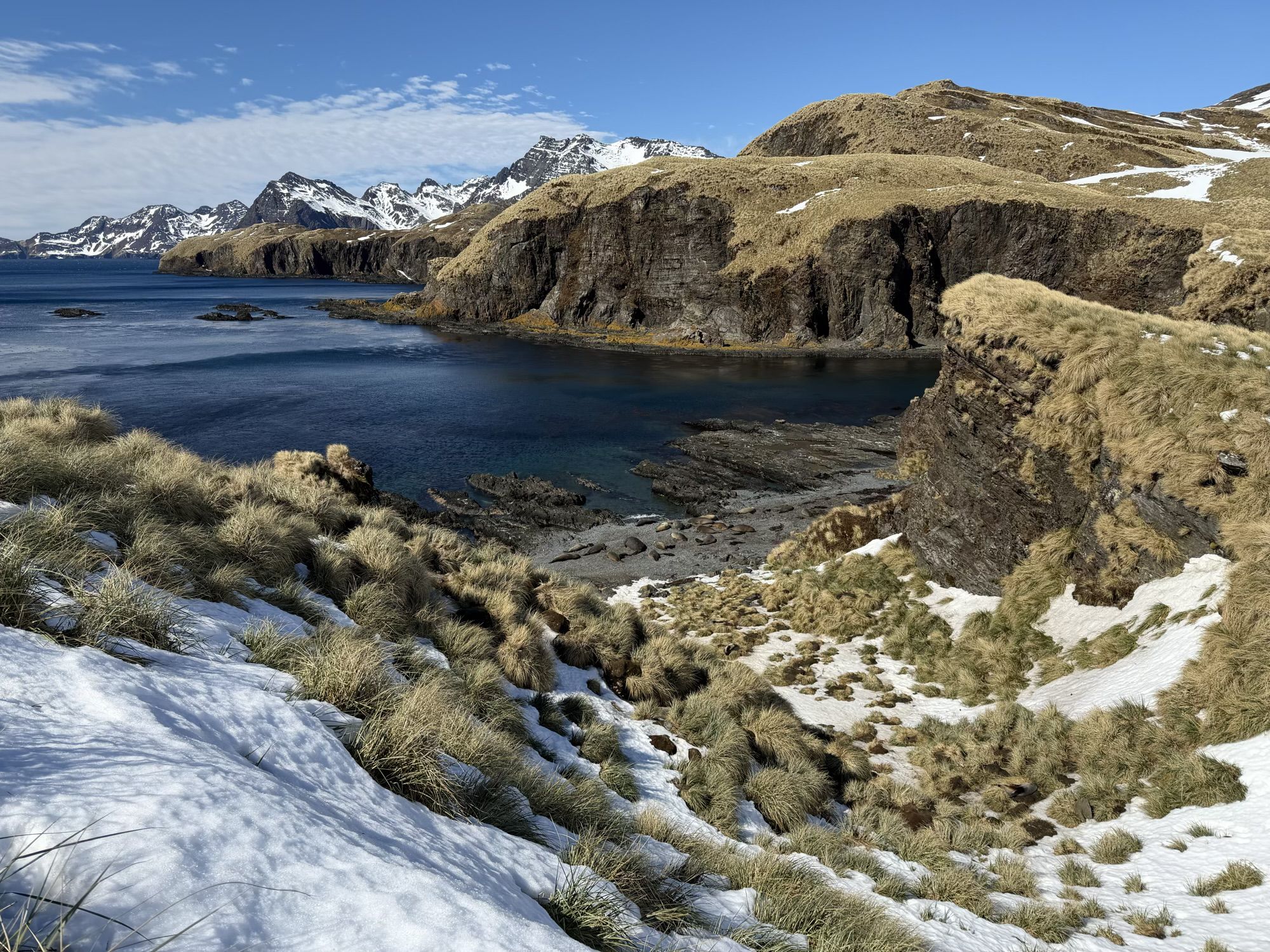
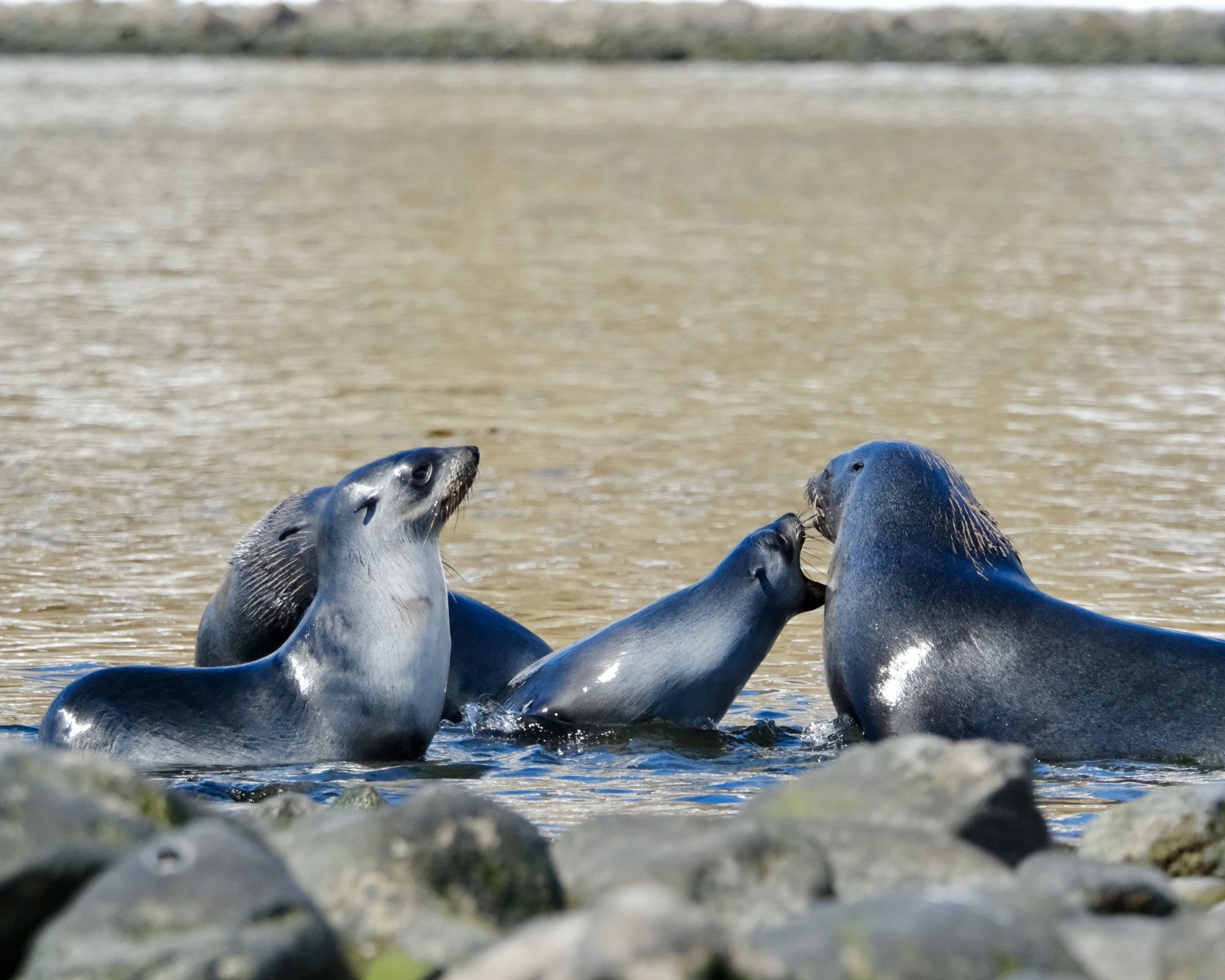
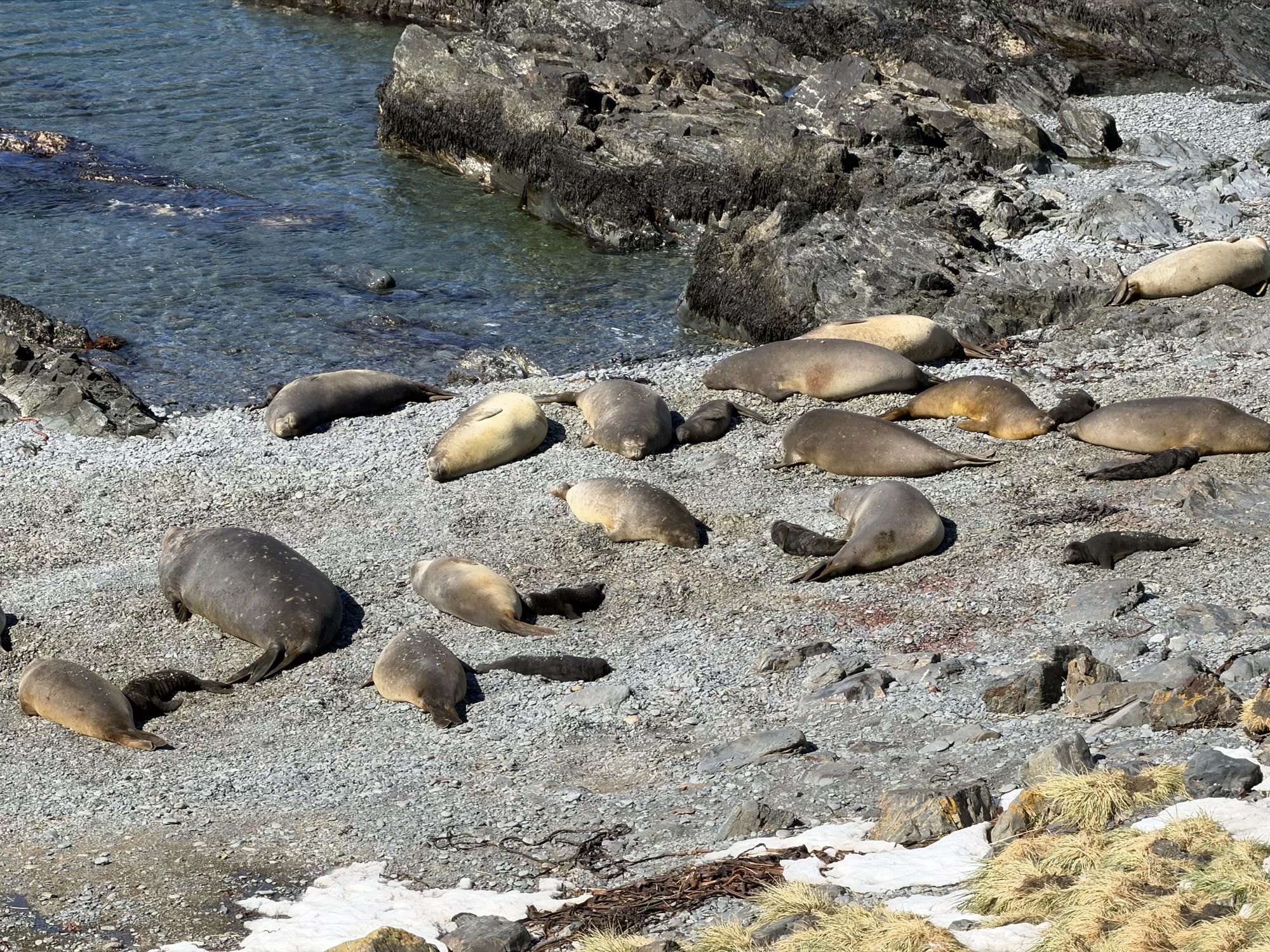
Fur seals are everywhere, hiding in the tussock. Elephant seals haul out to breed and moult on either side of the Elephant Lagoon isthmus, and at the entrance to the lagoon itself.
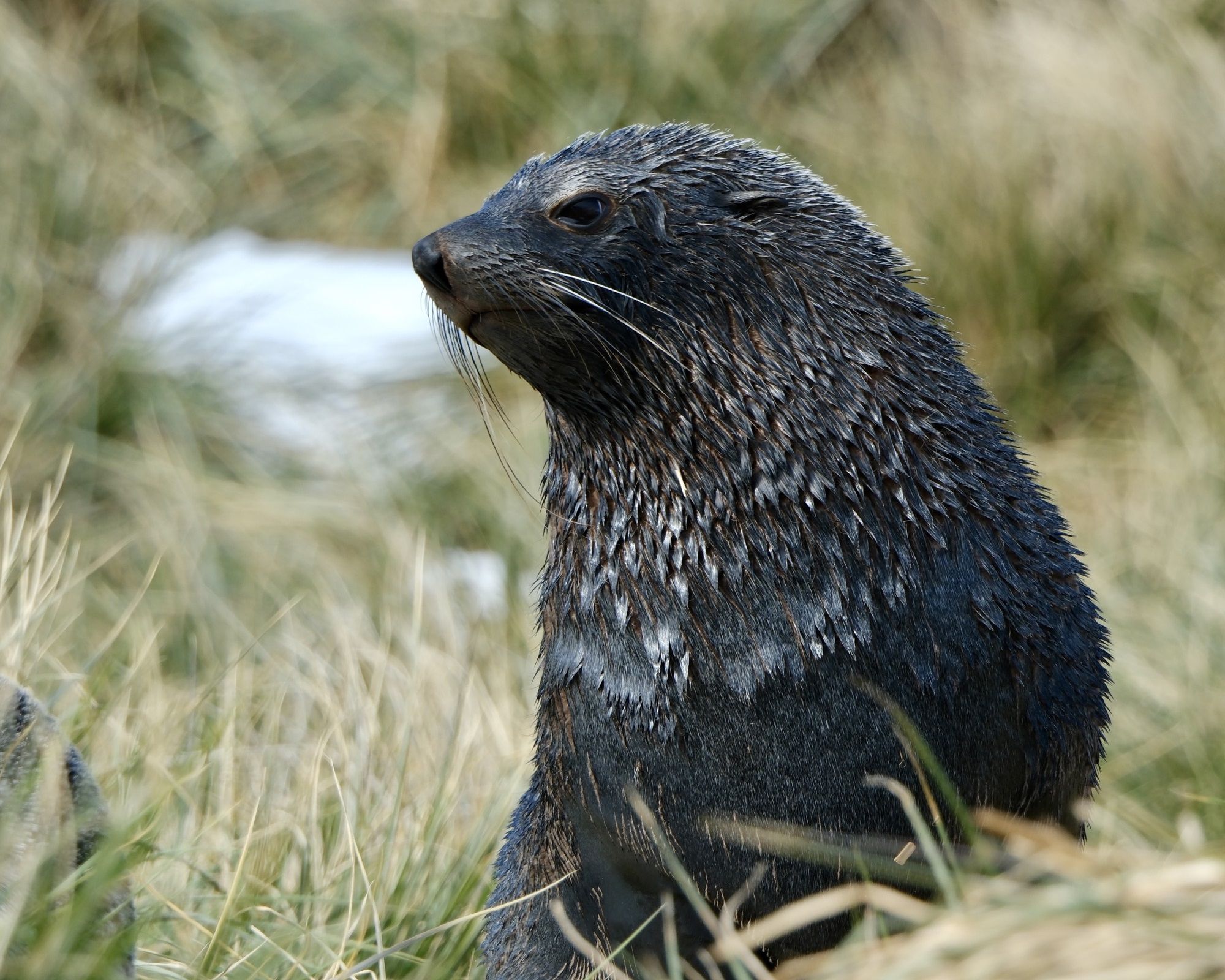
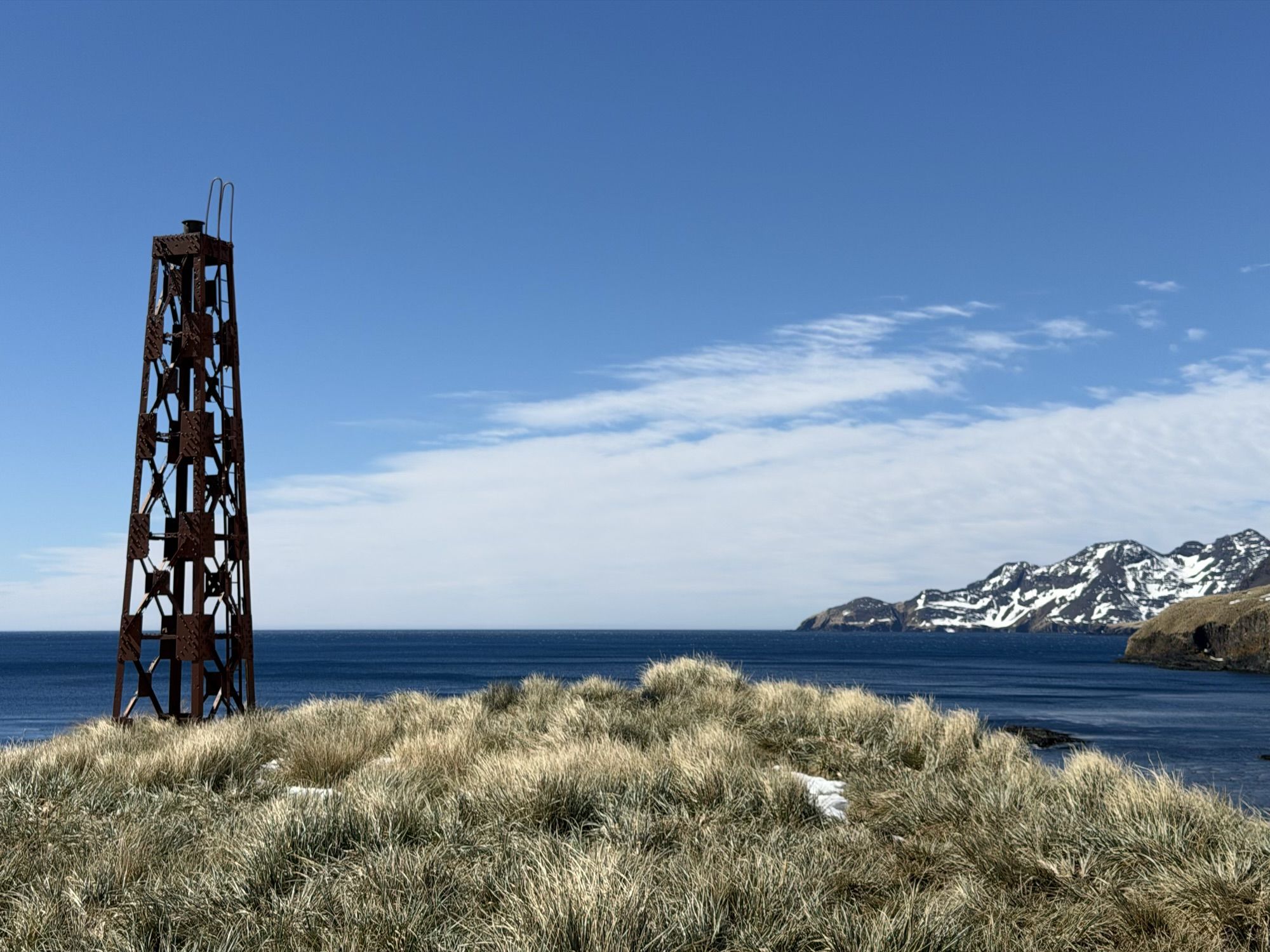
Like most of the old whaling stations – except Grytviken – also here it‘s not allowed to enter the historic site or the buildings, due to asbestos and danger caused by the wind caused erosion and destruction of the old structures.
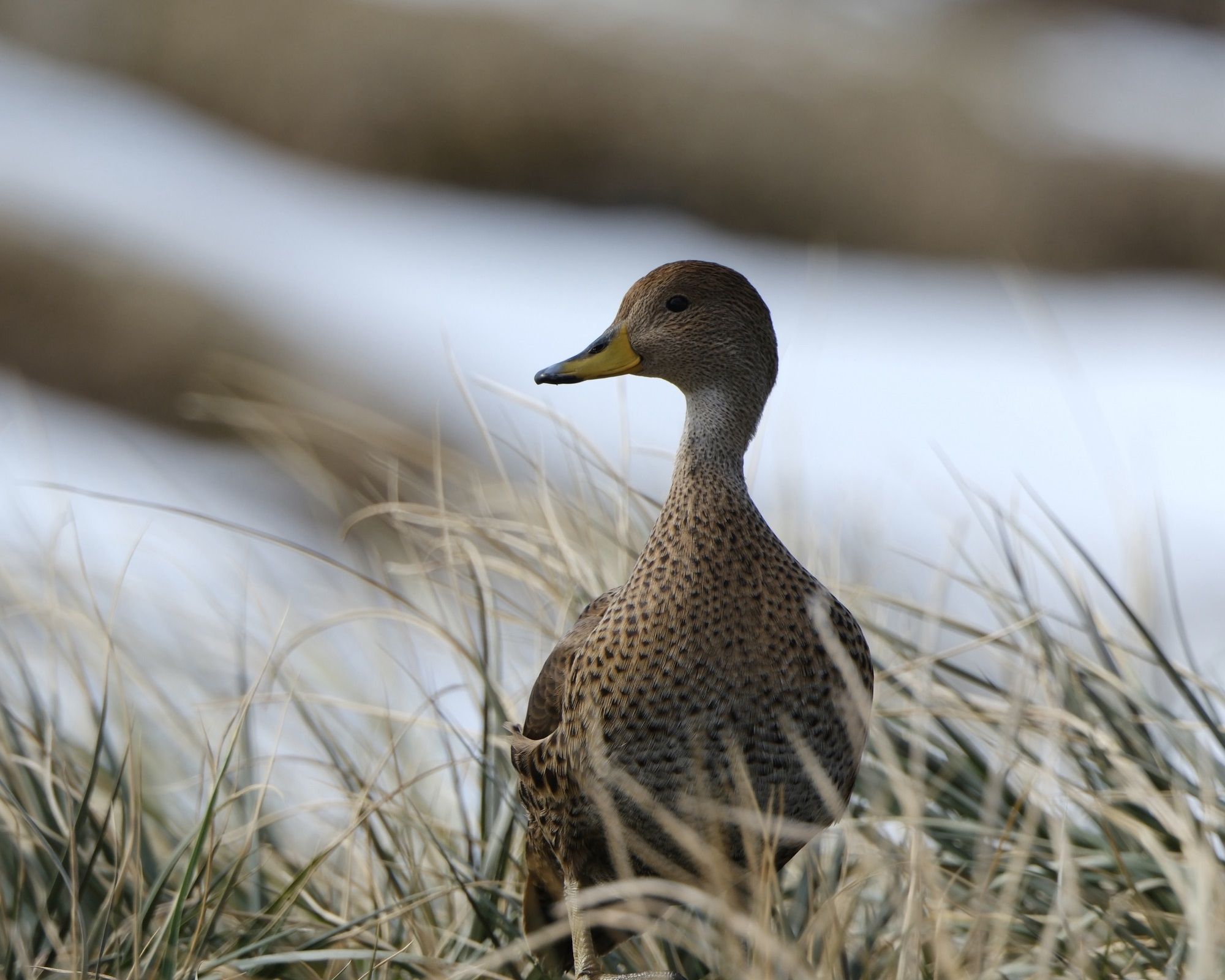
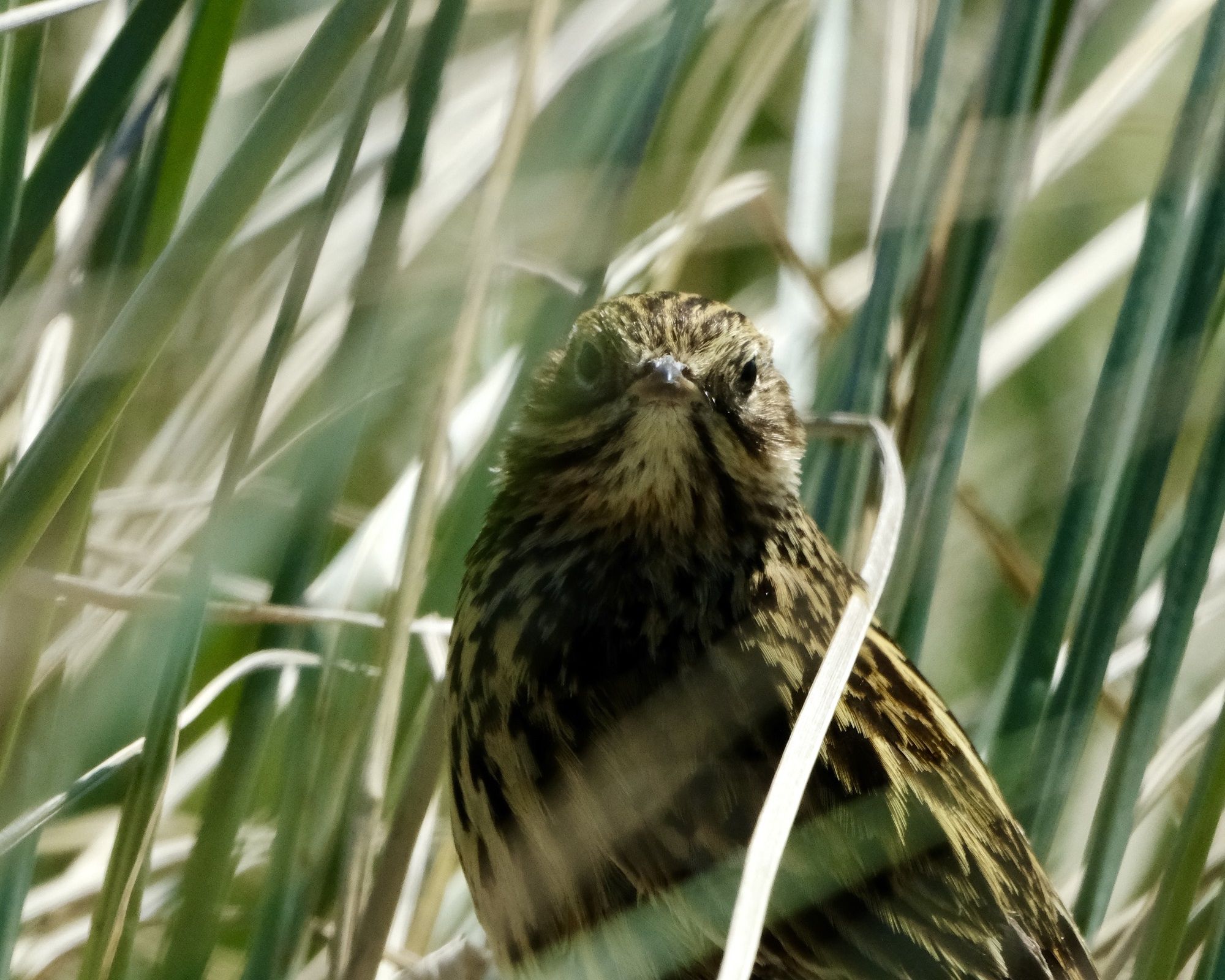
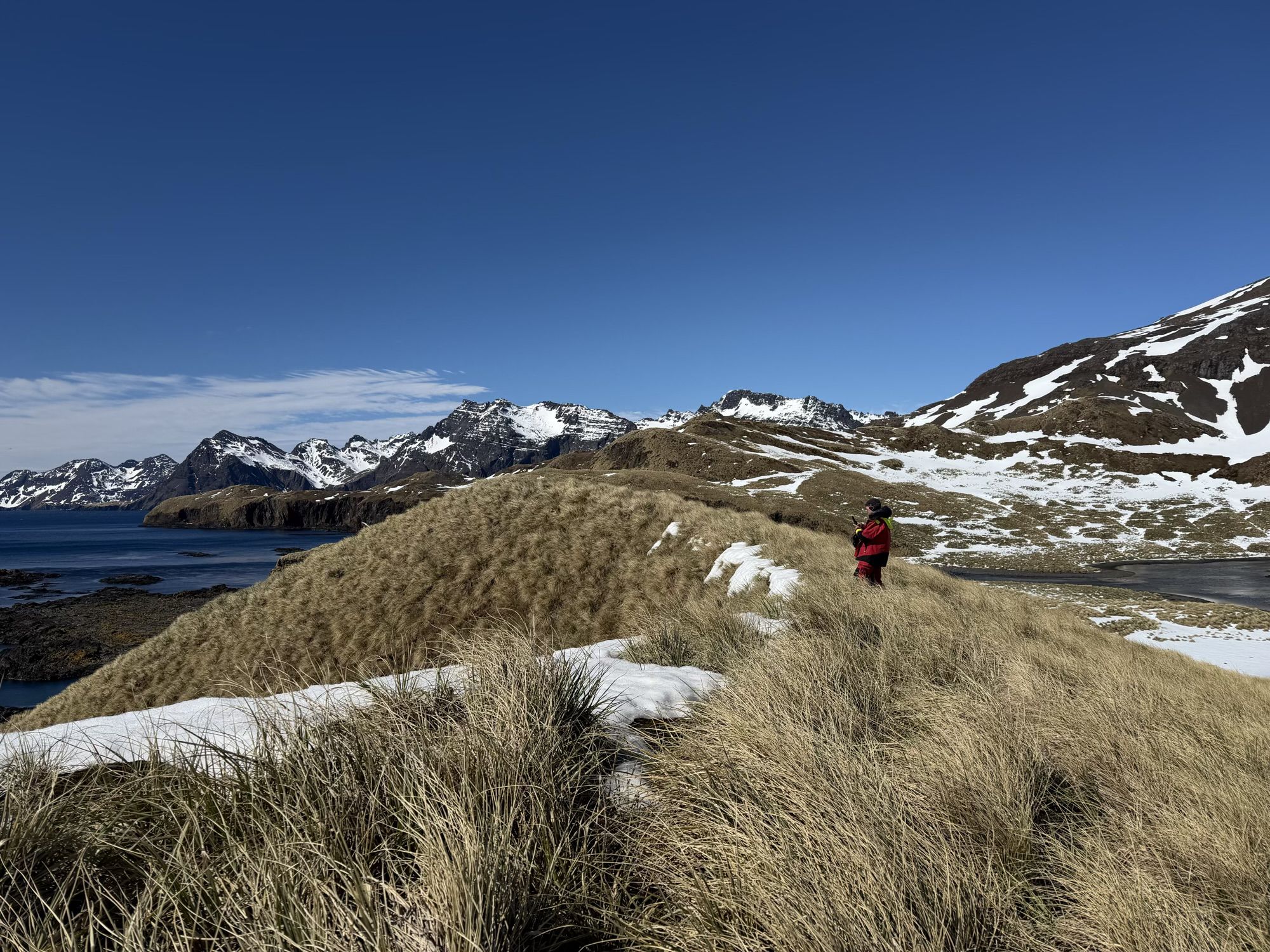
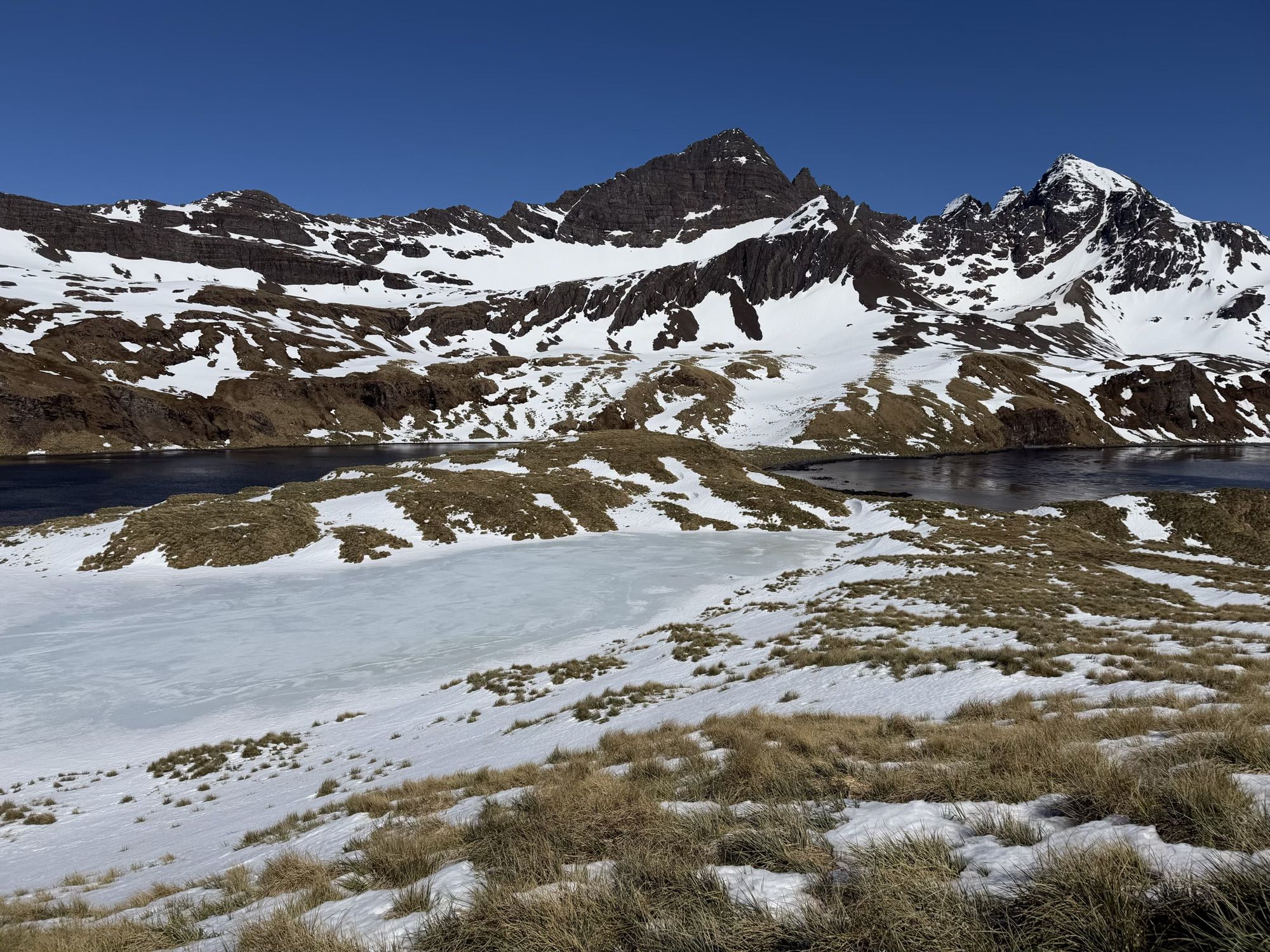
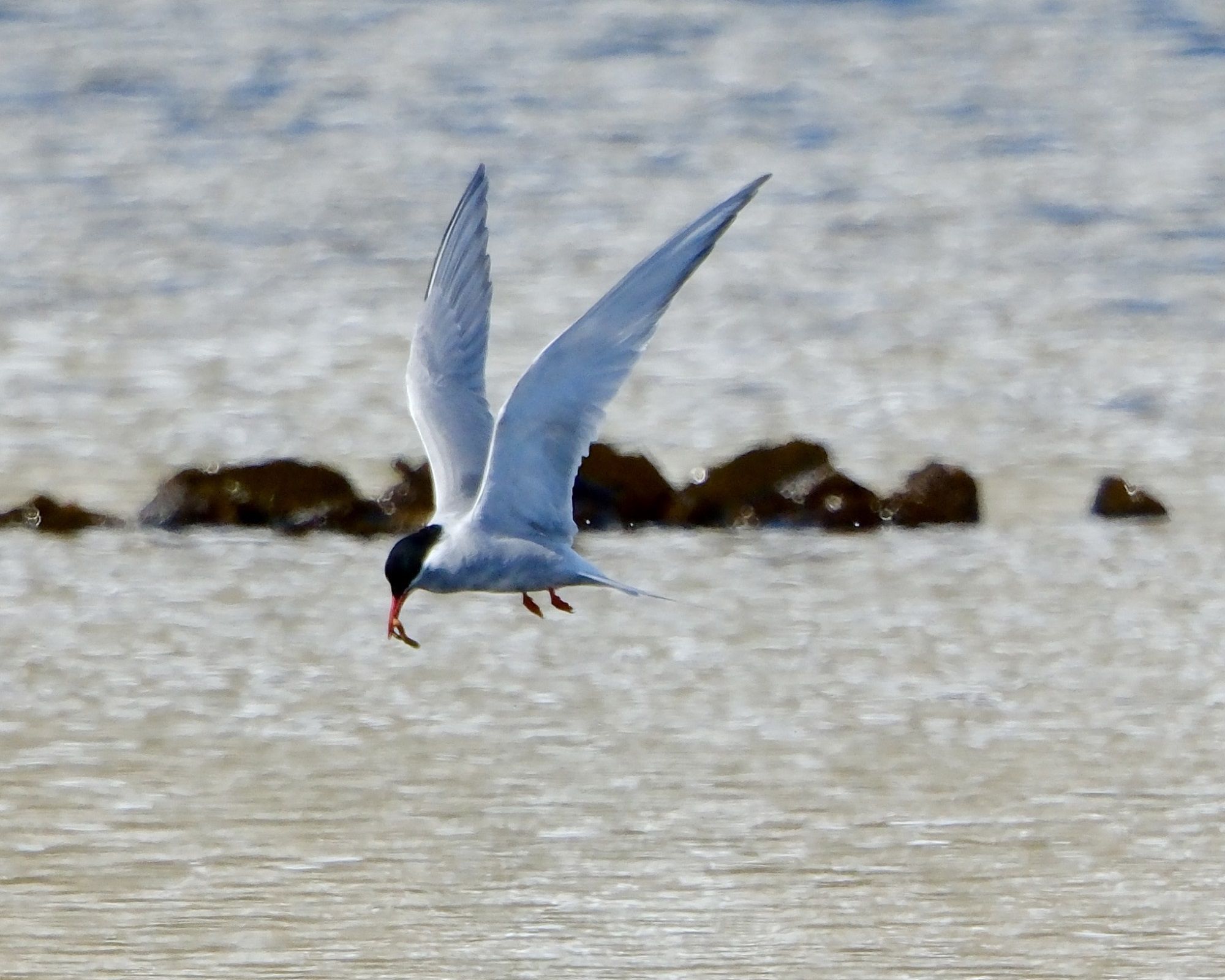
We used the time for an extended walk to Elephant Lagoon and the surrounding, hills covered by tussock. Watching elephant seals, fur seals, birds – like the endemic South Georgia Pipit, a small singing bird – and enjoying beautiful views over the Bay, to spectacular cliffs and the wide open sea.